Sound Diary Guide: How to Capture Life’s Everyday Sounds 2026
Imagine if you could step back into a memory, not just by looking at photos, but by hearing the sounds that shaped it. The laughter in your kitchen, the hum of your favorite café, or the rain tapping on your window—each detail woven together in a tapestry of sound.
This guide is your invitation to start a sound diary. In 2026, capturing and preserving the everyday music of life is easier than ever. You’ll discover the value of listening with intention, learn the tools for recording, and explore creative ways to organize and share your audio memories.
Are you ready to experience your days in a whole new way? Let’s begin your journey into sound journaling, where every moment has a voice worth remembering.
What is a Sound Diary? The Art and Purpose of Capturing Everyday Sounds
Imagine closing your eyes and being transported back to a single moment, not through a faded photograph, but by immersing yourself in the living, breathing sounds of that day. This is the magic of a sound diary.

Defining Sound Diaries: More Than Just Audio Notes
A sound diary is more than a collection of audio notes. It’s a living record of moments, captured not in words or images, but in the vibrant language of sound. Unlike written or photo journals that freeze a scene, a sound diary lets you revisit the atmosphere: the murmur of a café, the laughter in a family kitchen, the distant echo of church bells.
Sound has a unique power to evoke emotion. When you replay a sound diary entry, you don’t just remember—you relive. This makes the sound diary a deeply personal tool for reflection and creative expression.
Over the years, sound diaries have evolved from niche art projects into everyday practices. Artists and communities, inspired by initiatives like SoundBlick’s “Sound Diary” and Sonic Art’s “Sound Diary Project,” have shown how sound diaries can document daily life, preserve local culture, and offer new ways to tell stories. For a deeper look at the cultural and communal significance of these projects, visit the Sound Diaries Research Initiative.
Today, people use sound diaries for mindfulness, creative growth, and personal documentation. They’re gaining popularity in wellness, memory care, and education, offering fresh ways to connect with the world. According to Google Trends, searches for “sound journaling” and “audio diary” have steadily increased since 2023, reflecting a growing curiosity about capturing life’s soundtrack.
The Emotional and Sensory Impact of Sound Memories
What makes a sound diary so powerful? It’s the way sound weaves itself into our memories. Hearing the gentle patter of rain, the first chords of a favorite song, or the clatter of a morning commute can instantly transport us to another time and place.
In fact, studies show that sound triggers memory and emotion more vividly than text or images alone. The brain forms rich, multilayered associations with sound, making a sound diary a potent tool for recalling not just events, but the feelings and sensations attached to them.
Think of your own life: the hum of summer cicadas, the clinking of cups in a cozy café, or the familiar footsteps of a loved one. These sounds become anchors for memory, grounding us in moments we might otherwise forget.
A sound diary invites you to listen deeply. It encourages mindful presence and helps you notice the details that make each day unique. By capturing and revisiting these sounds, you create a sensory time capsule—one that preserves the essence of your experiences in a way no photograph or written page ever could.
Essential Equipment and Tools for Sound Diary Creation in 2026
Imagine holding a time capsule in your pocket, ready to capture the soundtrack of your daily life at any moment. The right tools make building your sound diary effortless, whether you’re in a bustling city or a peaceful garden. In 2026, your options are more powerful and accessible than ever.
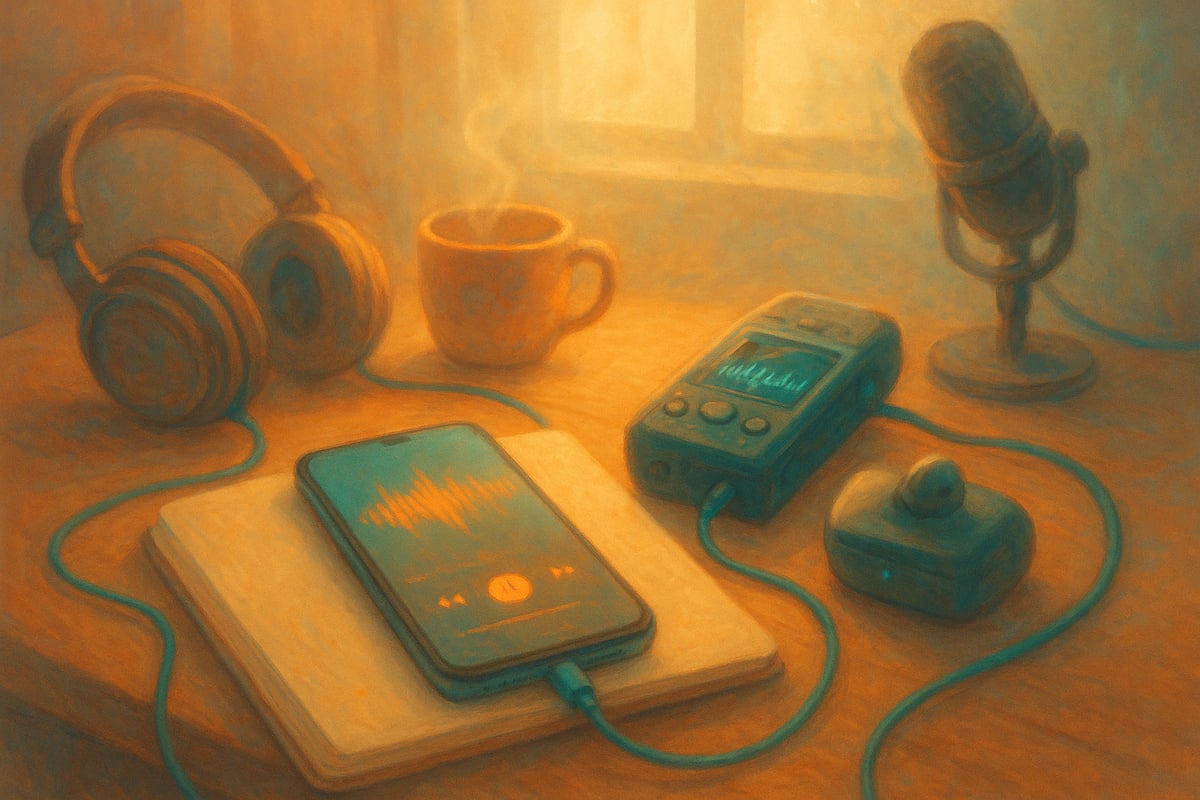
Choosing Your Recording Device: From Smartphones to Pro Gear
Selecting a recording device is the first step in crafting your sound diary. In 2026, you have a range of options to suit every lifestyle and budget. Let’s break down the choices:
| Device | Best For | Pros | Cons |
|---|---|---|---|
| Smartphone | Everyday, spontaneous | Always with you, easy sharing | Limited mic, battery drain |
| Portable Recorder | High-quality, fieldwork | Superior sound, manual controls | Less discreet, pricier |
| Wearables | On-the-go, discreet | Hands-free, AI features | Smaller storage, learning curve |
| Smart Home Devices | Stationary, ambiance | Set-and-forget, great for routines | Not portable, privacy limits |
Smartphones have become even more versatile, with built-in spatial audio and real-time AI noise filtering. Portable recorders now fit in the palm of your hand, capturing crisp, immersive soundscapes. Wearables, like smart earbuds and AR glasses, offer hands-free recording, perfect for subtle sound diary entries.
New AI-powered apps automatically tag, organize, and even suggest what to record based on your habits. Platforms like SoundCloud, SonicArt, and advanced AI diary and journaling tools make it easy to store and revisit your audio memories. Always choose a device that matches your needs—consider how often you’ll record, where you’ll be, and how much you want to invest.
Accessories and Software for Enhancing Sound Quality
To create a rich sound diary, a few thoughtful accessories can elevate your recordings:
- External microphones: Clip-on, shotgun, or binaural mics capture depth and clarity, especially for outdoor or crowded settings.
- Windshields: Essential for outdoor use, blocking unwanted wind noise.
- Headphones: Monitor your recordings in real time, catching issues early.
When it comes to editing, 2026 offers an array of intuitive tools. Mobile apps let you trim, clean, and annotate on the go. Desktop digital audio workstations (DAWs) and browser editors provide advanced features for layering and sequencing sounds.
For storage, prioritize formats like WAV or FLAC for long-term quality. Use cloud services with AI-powered organization to keep your sound diary safe and searchable. External drives and redundant backups add another layer of security.
Routine maintenance—cleaning microphones, updating software, and checking batteries—ensures your equipment stays reliable. This care lets your sound diary capture life’s moments without technical hiccups.
Creating a sound diary feels like planting seeds for tomorrow’s memories. With the right mix of devices, apps, and accessories, you’re ready to gather the sounds that shape your world—one recording at a time.
Step-by-Step: How to Start and Maintain Your Sound Diary
Starting your own sound diary is like opening a doorway to the everyday magic that surrounds you. Each step helps you notice, capture, and cherish the moments that often slip by unnoticed. Let’s walk through this creative journey together.
Step 1: Setting Your Intentions and Themes
Before you press record, pause and ask yourself: Why am I creating a sound diary? Is it for personal reflection, a creative project, capturing a travel adventure, or practicing mindfulness?
Choosing a purpose gives your sound diary direction. Some people document daily routines, while others focus on special events, family gatherings, or the subtle symphony of nature and urban life. Themes help anchor your recordings and keep you inspired.
For inspiration, look at projects like SoundBlick’s daily sound logs or SonicArt’s narrative-driven collections. These creative examples prove that every sound diary is unique, shaped by your curiosity and intention.
Staying motivated can be as simple as setting reminders or pairing your sound diary with another habit, like a morning walk or evening journaling. Remember, consistency matters more than perfection. Let your sound diary reflect your authentic self, even if some days are quieter than others.
Step 2: Planning and Preparing for Recording
Preparation is the secret ingredient for a rewarding sound diary. Start by exploring your environment. What sounds catch your attention? Maybe it’s the hum of city streets, birds at dawn, or laughter echoing through your home.
Check your equipment before you go. Make sure your recording device is charged, and bring any accessories you might need. A good habit is to keep a small checklist:
- Locations to visit
- Times of day for interesting sounds
- Specific sound targets or themes
Think about privacy and permissions, too. If you’re recording in public or capturing other people, it’s respectful to let them know or ask for consent. A sound diary thrives on authenticity and trust.
Step 3: Capturing Authentic Sounds
When it’s time to record, focus on being present and open to the world around you. Capture sounds naturally, without staging or interrupting the flow of life. Hold your device steady, and minimize handling noise for a cleaner recording.
Adjust your settings based on where you are. Indoors, reduce background noise by closing windows or doors. Outdoors, use windshields or select sheltered spots to improve clarity. In 2026, many devices offer AI-powered noise reduction and real-time tagging—these tools make your sound diary even richer.
Decide when to plan your recordings and when to let spontaneity lead. Sometimes, the best moments happen unexpectedly. Trust your instincts, and let your sound diary grow with each new discovery.
Step 4: Organizing, Annotating, and Backing Up Your Audio
Organization is key for a meaningful sound diary. After each session, label your files with details like date, location, emotion, or context. Many apps now offer automatic metadata and transcription, saving you time and effort.
Group your recordings by theme or create playlists—think “Morning Sounds” or “Family Gatherings.” This helps you revisit specific memories easily and notice patterns over time.
Regularly back up your sound diary. Use cloud storage, external drives, or both for extra security. Redundancy protects your audio memories from accidental loss, so your sound diary becomes a lasting treasure.
Step 5: Reviewing, Reflecting, and Iterating
Set aside time to listen back to your sound diary. Notice how each recording makes you feel. What memories or emotions do they awaken? Reflect by jotting down notes or even recording a voice memo with your impressions.
Improvement comes from gentle self-review. What worked well? What could you try differently next time? If you feel comfortable, share your sound diary with friends or online communities and invite their feedback.
Sound diaries often capture emotions words can’t reach. For a deeper dive into the emotional layers of sound journaling, you might enjoy Emotional journaling with sound. Let your sound diary evolve, growing richer and more personal with every recording and reflection.
Creative Ways to Tell Stories with Your Sound Diary
Imagine your sound diary as a canvas, waiting for your everyday moments to paint it with rich, layered audio memories. Storytelling with sound can be deeply personal or wildly imaginative, offering a voice to memories that words alone can't express. Let’s explore how you can transform simple recordings into immersive narratives that truly capture the essence of your days.
Building Narratives with Everyday Sounds
The heart of a sound diary lies in its ability to weave everyday noises into meaningful stories. Try combining several recordings to create audio collages that transport you back to a specific moment or place. Layer footsteps over morning birdsong, crossfade the brewing coffee with laughter, or sequence sounds to evoke a mood.
Take inspiration from SonicArt’s “Physi-Musiking” or narrative installations, where soundscapes become living stories. Pairing your sound diary entries with text, photos, or short video clips can add context and emotional weight. You might even experiment with poetry, interviews, or ambient sounds to infuse your recordings with new depth.
Curious about taking your storytelling further? Check out Sound of Story: Multi-modal Storytelling with Audio for ideas on blending audio with other creative forms. The possibilities are endless, and each technique helps your sound diary reflect your unique perspective.
Sharing and Presenting Your Sound Diary
Once you’ve crafted your audio stories, consider how to share them. You might choose to keep your sound diary private, archiving memories for your future self or close family. If you feel inspired to connect, there are platforms like SoundCloud, dedicated sound diary apps, and personal websites.
Curate themed “audio albums” from your favorite entries. Add captions, brief notes, or even interactive maps to guide listeners through your journey. Engaging your audience is about more than just sharing sounds, it’s about inviting them into your world.
Some creators host listening sessions with friends or online communities, sparking conversations and new connections. Whether you go public or stay private, presenting your sound diary thoughtfully can turn fleeting sounds into lasting memories.
Case Studies: Inspiring Sound Diary Projects
Looking for inspiration? Projects like SoundBlick’s city soundscapes and SonicArt’s community workshops show how powerful a sound diary can be. These projects often bring together people from different backgrounds, encouraging creative collaboration and cultural preservation.
For example, SoundBlick’s daily logs capture the rhythm of urban life, while SonicArt’s workshops invite participants to reflect on their environments. Public sound diary projects often report increased engagement, with listeners sharing their own stories or memories sparked by the recordings.
These examples show that a sound diary isn’t just a personal record, it can also foster growth, connection, and a deeper appreciation for the world around you.
Sound Diary Best Practices: Ethics, Privacy, and Longevity
Imagine you are capturing slices of your life with your sound diary. Each recording is a memory, a moment, and a responsibility. To make sure your sound diary stands the test of time, it is vital to consider the ethics, privacy, and preservation of these precious audio memories.
Ethical Considerations in Sound Recording
When creating a sound diary, ethics come first. Always ask for consent before recording others, especially in private or sensitive spaces. Laws about audio recording differ from place to place, so check local guidelines to avoid legal issues.
Some cultures view sound as sacred, or have customs about recording. Respecting these boundaries is essential, just as you would with a camera. The World Soundscape Project Overview highlights how sound recording can impact communities and the importance of ethical listening.
You might face dilemmas, like capturing a candid conversation in a café or recording in a quiet park where privacy is expected. When in doubt, choose respect. Your sound diary should reflect not only your world but also your values.
Ensuring Privacy and Security for Your Audio Memories
Your sound diary is deeply personal, so keeping it safe matters. Choose platforms that offer strong privacy settings and encryption. Use passwords and, if available, enable two-factor authentication for your cloud storage.
Think carefully about who can access your recordings. Most sound diary apps let you set sharing controls, so you can keep some memories private and share others with family or friends. When uploading to social media or public sites, review the platform’s privacy policy.
If you record sensitive moments, label them clearly and consider storing them in a separate, secure folder. Protecting your sound diary means protecting your story.
Preserving Your Sound Diary for the Future
To make your sound diary last, use reliable file formats like WAV or FLAC. These keep your recordings true to the original sound and are less likely to become obsolete. Regularly back up your audio: use both cloud and external drives for extra safety.
Migration matters. As technology changes, move your sound diary to new storage media every few years. This keeps your memories accessible for you and future generations. Explore ideas like music for memory preservation to see how sounds can become part of a lasting legacy.
Consider passing your sound diary down, just like a photo album. In the end, your sound diary can become a cherished family treasure, preserving not just what you saw, but what you truly heard.
Advanced Techniques and Trends in Sound Journaling for 2026
The world of sound diary creation is evolving rapidly. In 2026, keeping a sound diary is more than just recording a moment. It is about weaving technology, creativity, and community into the fabric of your audio memories.
Leveraging AI and Emerging Technologies
AI is changing the way we approach a sound diary. Modern devices offer automatic sound tagging, so you can quickly search for that morning birdsong or your favorite café ambience. Emotion detection technology means your sound diary can now sort memories by mood, adding a new layer of meaning to your recordings.
Spatial audio has become mainstream, letting you capture immersive 3D soundscapes that feel like stepping back into the moment. Imagine listening to a sound diary entry and feeling the rush of city life swirling around you, or the quiet of a forest enveloping your senses.
Wearable tech like smart earbuds, AR glasses, and even health devices now integrate seamlessly with your sound diary. Predictive recording features use AI to suggest what to capture, learning your habits and highlighting moments you might have missed. With these advances, your sound diary feels more alive, intuitive, and deeply personal.
Community and Collaborative Sound Diaries
Sound diaries are no longer just solo ventures. In 2026, communities around the globe are coming together to create shared sound diaries, blending voices and environments into collective memory banks. Collaborative storytelling thrives through group sound diaries, workshops, and creative events.
Projects like The Sunken Hum Sound Diary Project show how everyday sounds from different lives can form a powerful tapestry of shared experience. Open-source sound archives and online platforms make it easy to contribute your own sound diary entries, while listening to those from around the world.
SonicArt’s Artist’s Orchard and similar initiatives invite people to co-create, learn, and celebrate the art of sound journaling. These communities nurture creativity and connection, reminding us that a sound diary can be a bridge between cultures, histories, and hearts.
Sound Diaries for Wellness and Mindfulness
Many are turning to a sound diary as a tool for wellness and mindful living. Capturing the gentle patter of rain or the laughter of loved ones can ground you in the present, turning ordinary moments into anchors of calm. Recent wellness app data shows a surge in people using sound-based practices for stress relief and reflection.
Techniques like mindful listening and guided reflection are now built into many sound diary apps, offering gentle prompts to help you pause and breathe. If you are interested in exploring the intersection of sound, mindfulness, and music, the guide on Mindfulness and music practices offers practical tips and inspiration.
By making a habit of listening deeply and recording with intention, your sound diary becomes a space for healing, gratitude, and self-awareness.
The Future of Sound Diaries: Trends and Predictions
What does the future hold for the sound diary? Audio-first social platforms are on the rise, allowing you to build a personal sound brand or curate themed “audio albums.” In education and therapy, sound diaries are helping students and clients preserve memories and process emotions in innovative ways.
Next-generation sound diary apps promise features like real-time translation, emotion-based curation, and seamless integration with digital legacy services. Sound diaries are expanding their role in cultural preservation, ensuring that voices, traditions, and everyday moments are accessible for generations.
As technology evolves, so does the power of a sound diary. It is not just a tool for memory, but a vibrant part of your digital story—one that grows with you, and invites others to listen, learn, and connect.
We’ve explored how sound can bring memories vividly back to life in ways words or photos never quite can. Whether you’re recording laughter in your kitchen or the hum of your favorite street, every sound is a doorway into a feeling you might want to revisit. If you’re ready to turn your everyday moments into something you can truly feel again, why not start now? Let your memories become experiences you can actually hear.
Capture a feeling. Hear it come alive