Music for Memories: The Essential Guide for 2025
Imagine how a single song can transport you to a forgotten moment, filling the air with memories you thought were lost. In 2025, the connection between music and memory feels more magical than ever.
This guide is your companion on the journey of using music for memories. We will explore how you can evoke, preserve, and relive your most meaningful moments with music, using the latest science, technology, and creative techniques.
Get ready to discover why music unlocks memories, how to build your own memory playlists, the newest digital tools, and expert tips for making music a cherished part of your daily life.
The Science Behind Music and Memory
Music for memories is more than a poetic idea—it is a phenomenon deeply rooted in the brain. Scientific discoveries from the past decade reveal just how powerfully melodies, rhythms, and lyrics intertwine with our most cherished recollections.
How Music Stimulates Memory Pathways
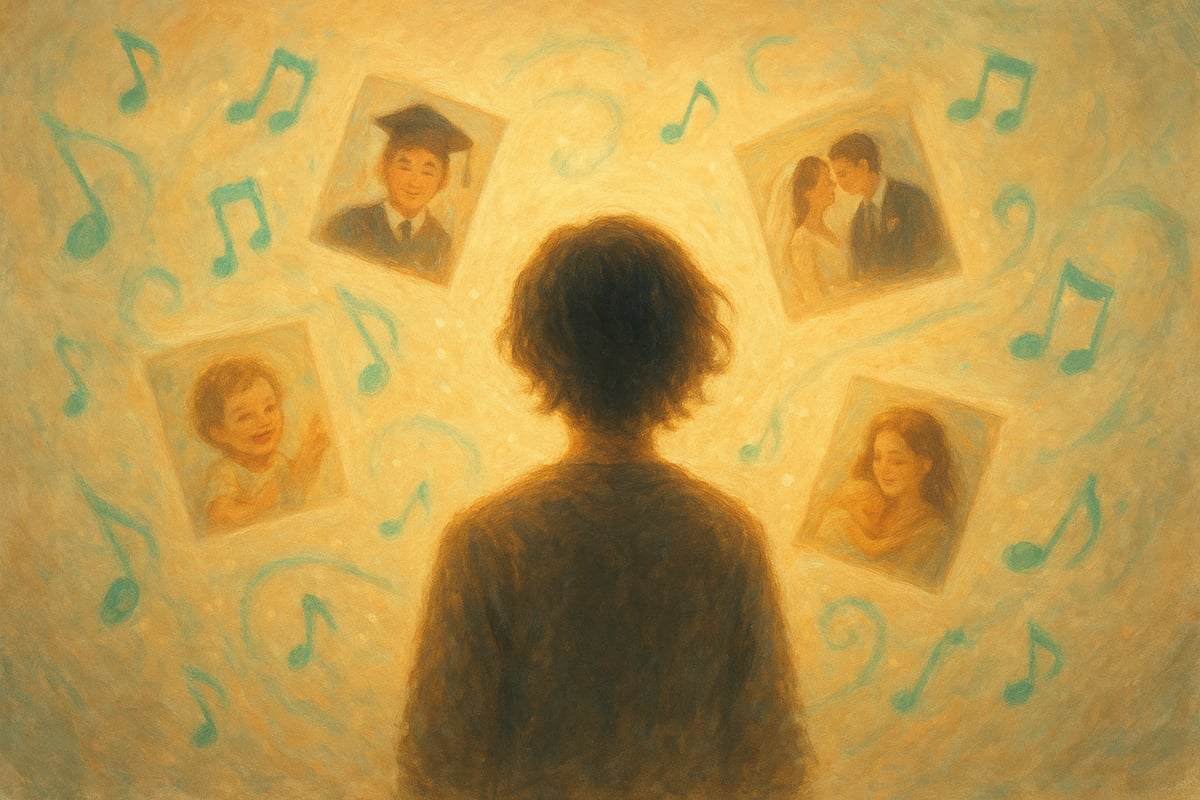
When you listen to a song from your past, something incredible happens in your brain. Music activates a network of regions including the hippocampus, amygdala, and prefrontal cortex—all essential for memory and emotion. This is why music for memories can feel so vivid and immediate.
One remarkable phenomenon is the “reminiscence bump.” Songs you loved during adolescence become lifelong anchors, often bringing back forgotten details with a single chorus. Scientists believe this period is when the brain stores memories most efficiently, and music becomes a powerful retrieval cue.
Consider the story of Alzheimer’s patients who, even after losing much of their ability to communicate, recall names and experiences when hearing familiar tunes. In fact, a 2023 Harvard Medical School study found that music therapy improved memory recall by 30 percent in older adults. Another study, Music therapy enhances episodic memory in Alzheimer's patients, shows significant gains in cognitive function through tailored musical sessions.
Let’s break down some of these findings:
| Study/Source | Key Finding |
|---|---|
| Harvard Medical School (2023) | 30% improvement in memory recall with music therapy |
| PMC Study (2023) | Enhanced episodic memory in Alzheimer’s patients |
Rhythm and melody also play a special role. Their repetitive structures help embed information, making it easier to remember lyrics, facts, and stories. Emotional resonance adds a multisensory layer—music not only triggers memories but often does so with vivid sensory detail.
Personal stories and clinical observations echo these results. Many people report that a certain song can transport them back to a first dance, a road trip, or a childhood home. With music for memories, the science truly supports the magic.
The Emotional Impact of Music on Memory
Music for memories goes beyond facts and timelines—it taps into the heart of who we are. When you hear a song that defined a summer or a heartbreak, that melody weaves itself into your autobiographical memory, creating a soundtrack for your life.
Lyrics can sharpen recall by attaching words and stories to emotions. Instrumental pieces, however, often evoke feelings and imagery without language, allowing your mind to fill in the gaps with personal meaning. The tempo and key of a song also shape emotional recall: upbeat tunes spark joy, while minor keys can bring out nostalgia or longing.
Cultural context matters, too. What triggers memories in one culture may not resonate in another. Still, the universal truth is that everyone has their own unique playlist of memory-evoking songs.
Music therapists use these insights to help people heal and remember. By curating specific playlists, they guide individuals through grief, celebration, or simply the act of remembering. For many, music for memories becomes a gentle companion in both joyous and challenging times.
Whether you are reliving your childhood through a lullaby or finding comfort in a song shared with a loved one, the emotional impact of music for memories is both profound and personal.
Curating the Perfect Memory Playlist
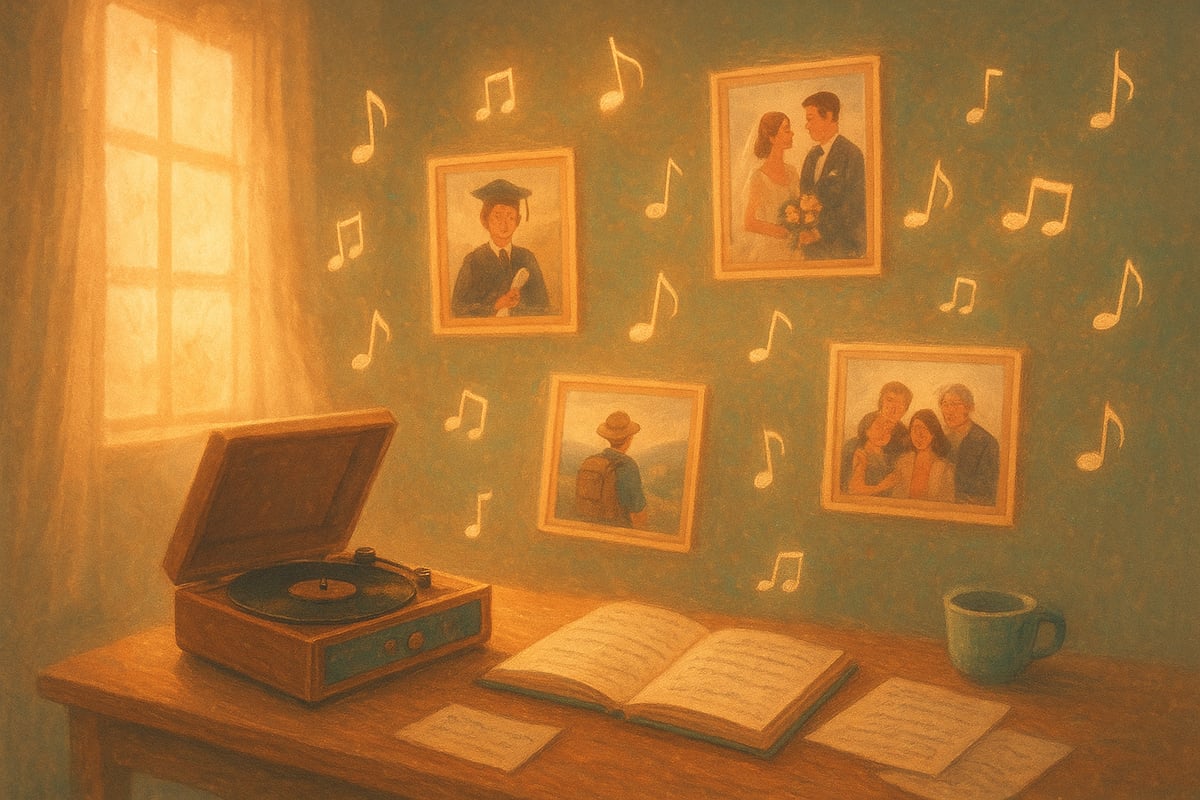
Crafting the perfect playlist is like building a time capsule for your heart. With music for memories, you can capture life’s brightest joys and deepest reflections, returning to them whenever you need. Whether you’re reliving a graduation, a first dance, or a quiet morning, the right songs make those moments feel close again.
Identifying Life’s Key Moments for Musical Anchoring
Start by mapping the milestones that have shaped your story. These are the events you want to remember and celebrate with music for memories. Think of graduations, weddings, first jobs, travels, reunions, or even the bittersweet goodbyes. Every chapter of your life deserves a soundtrack.
Don’t overlook everyday joys. Sometimes, a simple walk in the park or a favorite morning routine holds as much meaning as the big events. Using music to commemorate both the grand and the ordinary helps you build a richer tapestry of memories.
According to Spotify’s 2024 report, users most often add songs to memory playlists after major milestones, like moving cities or experiencing personal breakthroughs. Popular tracks for these moments range from classic hits to current chart-toppers, depending on the emotion you want to capture.
To dive deeper into this process, check out Creating a Memory Soundtrack for a step-by-step guide on building playlists that preserve and relive your most meaningful experiences.
Selecting Songs That Resonate
Once you’ve mapped your moments, it’s time to choose the songs that truly resonate. With music for memories, personal significance is key. Ask yourself: Which tracks instantly transport you to a specific time or feeling? These might be songs from your childhood, tunes that played during a special trip, or melodies that comforted you in tough times.
Balance nostalgia with discovery. Mix beloved old favorites with new finds that speak to your current self. This blend keeps your playlist both comforting and ever-evolving. Consider the role of genre, language, and cultural context, as these elements deeply influence how music for memories takes root in your mind.
Most streaming services offer features to help you curate, like Apple Music’s “Replay” or Spotify’s “Blend.” Use these tools to revisit the songs you’ve played most, or to uncover hidden gems that might become future memory anchors.
Organizing and Maintaining Your Playlist
How you organize your playlist can shape the way you relive your memories. Some prefer a chronological order, letting songs follow the arc of their lives. Others group tracks by theme or emotion, creating mini-soundtracks for love, adventure, or healing. With music for memories, the structure should mirror your unique journey.
Use playlist management tools from Spotify, YouTube Music, or Apple Music to keep everything tidy. As your life evolves, so should your playlists. Make it a habit to add new tracks when you reach new milestones or revisit old favorites when a wave of nostalgia hits.
Sharing your playlists with friends and family turns personal reflection into a collective experience. Invite loved ones to contribute their own songs, weaving together a shared soundtrack that celebrates your connections and histories.
Technology and Tools: Enhancing Memories with Music
The world of music for memories is evolving in ways that feel almost magical. With every year, technology opens new doors to help us capture, relive, and even share the soundtrack of our lives. Whether you are building an emotional time capsule or just looking for a daily spark of nostalgia, the right tools can transform how you connect music for memories to your life story.
AI and Smart Playlists: The Future of Musical Memory
Artificial intelligence is quietly revolutionizing music for memories. Modern streaming services now use advanced algorithms to study your listening habits, moods, and even the context of your days. The result? Playlists that feel almost psychic, surfacing songs you forgot you loved just when you need them most.
AI-driven platforms can:
- Analyze patterns in your listening tied to specific memories or life events
- Suggest songs that evoke similar emotions from your past
- Learn over time to personalize music for memories based on your daily routines
According to 2025 research from MIDiA, personalized playlists are now the top way people revisit meaningful moments. Machine learning helps these tools grow smarter, making each music for memories experience feel more intimate and tailored. It is like having a personal DJ who knows your life story inside and out.
Memory Journals and Digital Storytelling Platforms
Pairing music for memories with digital journaling is a creative way to deepen your emotional archives. New apps let you combine written reflections, photographs, and favorite songs in one multimedia memory book. This blend creates a rich tapestry of your life, making it easy to revisit not just what happened, but how it felt.
Key features often include:
- Attaching songs to journal entries for each milestone
- Drag-and-drop photo and video integration
- Timeline views to map your journey with music for memories
Families are now using these platforms to create shared digital albums, perfect for reunions or anniversaries. If you are curious about how journaling and music can work together for memory recall, check out Memory Journaling with Music for more inspiration and practical tips. This approach turns everyday moments into lasting, sensory-rich stories.
Musical Journaling with Eveokee: Reliving Memories Through Sound
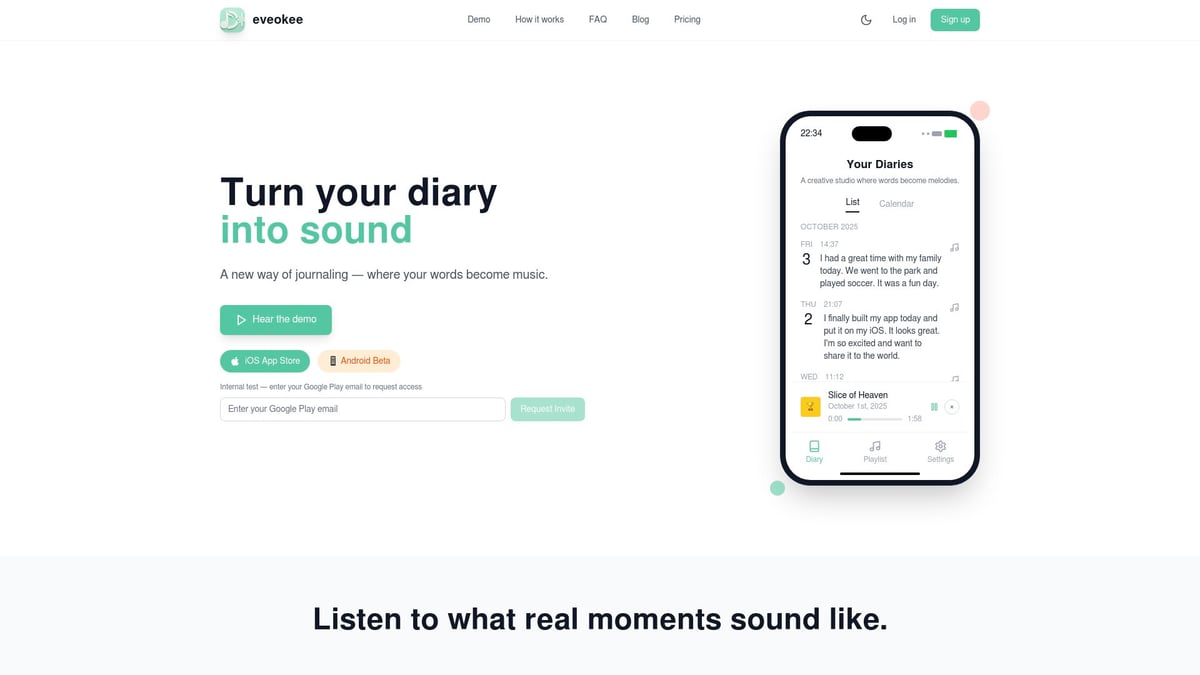
Eveokee is changing the way we use music for memories by blending the art of journaling with the creativity of AI. On this pioneering platform, you simply write a diary entry or reflection. Eveokee’s AI then reads your words and crafts a one-of-a-kind song that captures the mood and meaning of your memory.
Why is this special?
- No musical skills are needed, making music for memories accessible to everyone
- Each song is unique, based on your emotions and story
- You can build a personalized playlist that grows with your life
Eveokee also offers community features, letting you share your musical memories with friends or join others on a similar journey. Privacy is a top priority, ensuring your memories stay personal. Imagine transforming a graduation day reflection into a moving soundtrack—one user did just that, and said the music brought back the day’s emotions more vividly than any photo.
Smart Home Integration and Wearables
Smart home devices are now making music for memories a seamless part of daily life. With a simple voice command, you can cue up playlists tied to birthdays, family trips, or even a quiet Sunday morning. Smart speakers like Amazon Echo and Google Nest can remember your favorite memory playlists, ready to play on demand.
Wearable tech is also joining the movement. Smartwatches and fitness bands can sync your heart rate or activity with playlists, so your music for memories adapts to your mood in real time. Some families use smart displays to host “memory music hours” at home, turning shared listening into a joyful ritual.
These innovations bring music for memories out of the headphones and into your living room, making every moment a chance to reconnect with your story.
Step-by-Step: Creating Your Own Memory Soundtrack in 2025
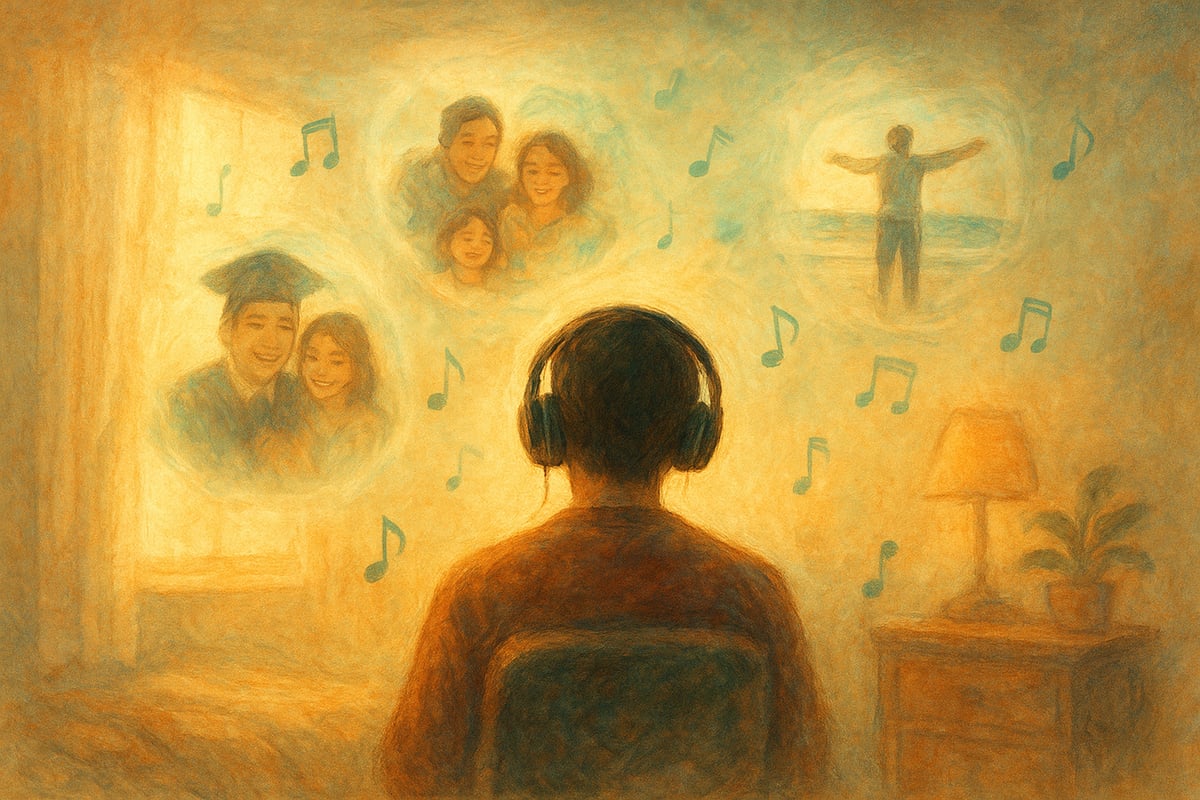
Imagine capturing your most meaningful moments in a playlist that feels like a living diary. In 2025, creating a memory soundtrack is easier, more creative, and more personal than ever. Let’s walk through each step together and discover how music for memories can become your own time machine, bringing the past vividly into the present.
Step 1: Reflect on Your Most Meaningful Memories
Start by pausing to remember the moments that shaped you. Which experiences do you want to hold close? Think back to childhood adventures, milestone celebrations, quiet victories, or even bittersweet goodbyes. Use prompts like:
- What was your happiest day last year?
- Which trip or event changed your perspective?
- Who are the people you never want to forget?
Flip through old photo albums or scroll your social media timelines for inspiration. Sometimes, a single image or post can spark a flood of memories. If you want to go deeper, try mood journaling apps that blend writing and music, helping you map emotions to specific days. This reflective step is the foundation for using music for memories in a truly personal way.
Step 2: Choose and Collect Resonant Songs
Now, let’s find the songs that bring those memories to life. Ask yourself: Which tunes played in the background when these moments happened? Was there a song you and a friend played on repeat, or a melody that comforted you during tough times?
Strategies for song selection:
- Match the mood: Upbeat tracks for joyful memories, gentle instrumentals for reflective moments.
- Focus on lyrics that capture your feelings.
- Use music identification apps like Shazam or SoundHound to rediscover tunes that slip your mind.
Mix old favorites with new discoveries—sometimes a fresh song can encapsulate a recent memory just as powerfully. For creative inspiration, see how others are Transforming Stories into Songs to turn personal moments into unique music. This step makes music for memories feel truly yours.
Step 3: Organize and Personalize Your Playlist
With your songs in hand, it’s time to shape your playlist into a journey. Decide whether you want a chronological order, tracing your life from childhood to now, or a thematic arc—love, growth, adventure, healing.
Personalization ideas:
- Add voice notes or short written reflections to each song, capturing why it matters.
- Use playlist features like Apple Music’s “Lyrics” to annotate memories or feelings next to tracks.
- Create a “firsts” playlist—first job, first home, first solo trip.
A well-organized playlist helps you relive memories in a way that feels intentional. This step ensures your music for memories soundtrack grows with you, evolving as new moments unfold.
Step 4: Enhance with Technology
Bring your memory playlist to life with the latest tech. Integrate your playlist into digital journals, or use apps that generate playlists from diary entries and photos. Some platforms let you sync music to digital photo frames, so your favorite images and songs play together.
Try out AI tools that analyze your writing and suggest songs that match the emotion or story. These tools make music for memories more immersive. For those who love storytelling, platforms that turn reflections into custom tracks can add a magical, personal touch. Explore how new tech can deepen your connection to the past, blending sound and story in unforgettable ways.
Step 5: Share and Relive with Others
Finally, invite friends and family into your musical memories. Share playlists for birthdays, anniversaries, or just because. Host a “memory music” night at home or set up a virtual listening session where everyone brings a song and a story.
Ideas for collective reminiscing:
- Create a collaborative playlist and let loved ones add their own tracks.
- Pair songs with photos or videos for a multimedia celebration.
- Use smart speakers for group playback, making reliving moments as easy as a voice command.
Research shows that shared musical experiences can strengthen bonds and spark joyful conversations. When you use music for memories together, you’re not just reliving the past—you’re creating new moments to cherish.
Expert Tips and Best Practices for Using Music to Preserve Memories
Unlocking the full potential of music for memories is a journey, not a destination. The right blend of intention, creativity, and routine can turn everyday listening into a powerful tool for remembering, healing, and connecting. Whether you are starting a new ritual or refreshing an old playlist, these expert tips help you make every note count.
Building a Lasting Musical Memory Ritual
Building rituals around music for memories transforms listening into a meaningful act. Try setting aside a regular time each week for a “memory soundtrack” session. You might light a candle, close your eyes, and let specific songs carry you back to important moments.
Pairing music with mindfulness or meditation can deepen recall, as focusing on melodies and lyrics helps anchor memories more vividly. Families can create weekly gatherings, each person sharing a song that represents a special event or feeling. This practice not only preserves memories but also strengthens bonds, making music for memories a cherished tradition.
Avoiding Common Pitfalls
While music for memories can be transformative, it’s easy to stumble into a few traps. Relying solely on digital storage risks losing playlists to device failures, so always keep backups—consider a written list or a USB copy. Nostalgia is powerful, but living only in the past can cloud your experience of the present.
It’s important to balance revisiting old favorites with discovering new music, keeping your emotional landscape fresh. If certain songs trigger overwhelming feelings, curate your playlist carefully and lean into gentle, supportive tracks. Self-care is essential when using music for memories, especially during emotionally charged times.
Leveraging Music for Emotional Wellness
Music for memories can be a gentle balm for stress, grief, or anxiety. Playlists curated for specific moods help regulate emotions—think calming instrumentals for relaxation, or uplifting anthems for motivation. Music therapy techniques, such as guided listening or songwriting, can support processing difficult experiences.
Research shows that personalized playlists can reduce anxiety by up to 40 percent, especially for those facing emotional challenges. For people with memory-related conditions, a systematic review: music therapy's effect on Alzheimer's cognitive functions highlights real benefits, from improved mood to better recall. Using music for memories is not just nostalgic, it’s a scientifically supported method for emotional wellness.
Keeping Playlists Fresh and Relevant
A living playlist grows with you. Make it a ritual to revisit and update your music for memories as new moments unfold. Try exploring new genres or artists each season, adding tracks that reflect your evolving story.
Annual “life soundtrack” updates can become a personal tradition, marking milestones big and small. Mixing recent finds with old favorites keeps your playlist fresh, while reflecting both who you were and who you are becoming. Regular updates ensure music for memories remains a true mirror of your life’s journey.
Making Musical Memories Accessible for All Ages
Music for memories should be inclusive, bridging generations and abilities. Adapt tools for children—simple playlists, colorful interfaces, or sing-along features. For seniors or those with cognitive challenges, curated playlists can spark joy and connection.
Memory care facilities are increasingly using music to support residents, drawing on research about the cognitive benefits from musical activity in older adults. Intergenerational playlist creation—grandparents and grandchildren sharing favorite songs—builds empathy and understanding. Ensuring everyone can participate makes music for memories a universal language.
The Power of Community and Shared Experience
The magic of music for memories multiplies when shared. Join online groups or forums dedicated to musical memory sharing, where you can swap playlists and stories. Collaborative playlist projects let friends or family contribute tracks, weaving together a tapestry of shared experience.
Participate in global campaigns like “Memory Songs Week,” where communities reflect on the past through music. Sharing music for memories not only deepens your own recollections, but also forges connections with others who value the same songs and stories. In this way, music becomes both a bridge and a beacon, lighting the way to collective remembrance.
As you explore the ways music can unlock memories and turn fleeting moments into something you can feel again, remember that your story deserves more than just words on a page. Imagine reliving a cherished day every time a melody plays or capturing the exact emotion of a memory through sound. With Eveokee, you don’t just remember—you experience your memories all over again, in ways that are vivid and deeply personal. If you’re ready to transform your reflections into living, breathing music, let’s take the next step together: Turn your memories into music Try Evokee Free