Mindfulness and Music Guide: Enhance Wellbeing in 2025
Imagine a world where every note and rhythm opens a door to deeper presence, calm, and emotional harmony. In 2025, the connection between mindfulness and music is transforming how we care for our minds and hearts.
This guide will show you how blending mindfulness and music can elevate your wellbeing. You’ll discover the science behind their synergy, creative techniques for daily practice, expert-backed benefits, and step-by-step ways to get started. Ready to explore how mindful music can change your life? Let’s dive in together.
The Science of Mindfulness and Music
Imagine pausing for a moment as a gentle melody flows through your space. The science behind mindfulness and music reveals why these experiences feel so grounding and transformative. Let’s explore how these two forces shape our minds and emotions.
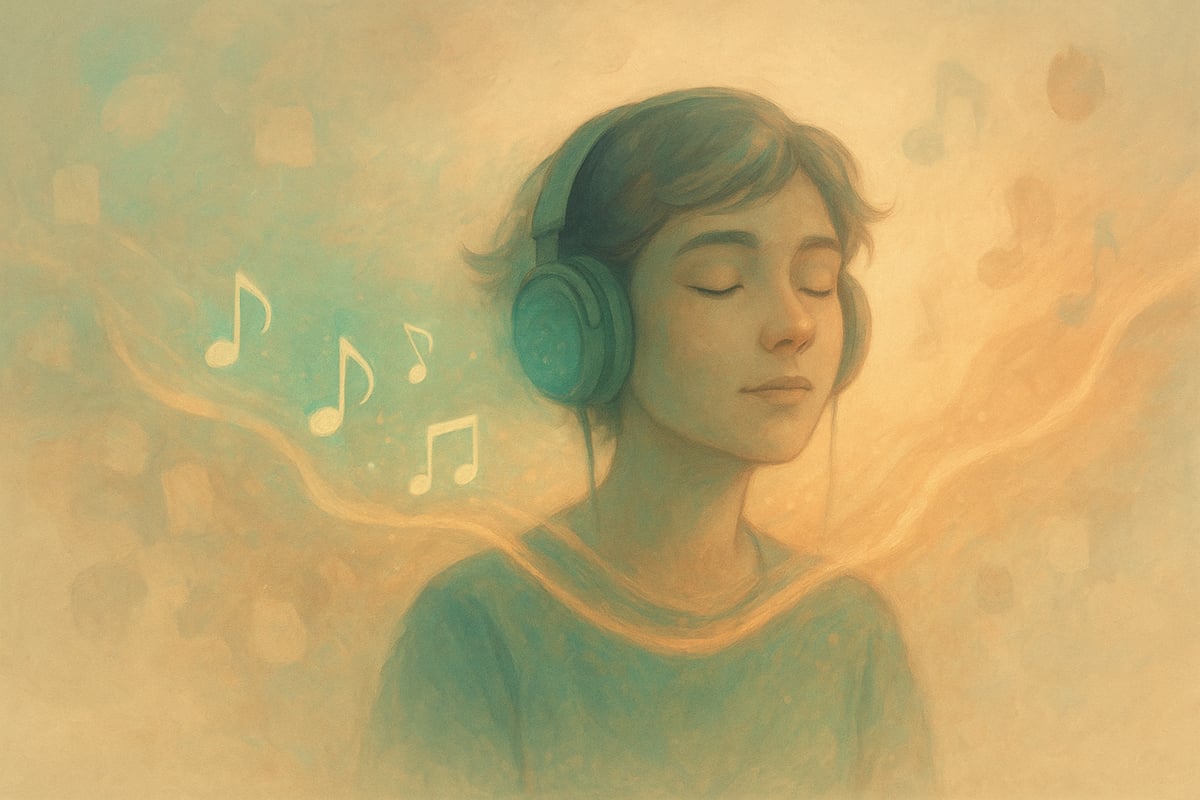
Understanding Mindfulness: Concepts and Core Benefits
Mindfulness is simply paying full attention to the present moment without judgment. Rooted in ancient meditation traditions, it now appears in modern therapy and wellness routines.
Practicing mindfulness helps reduce stress, regulate emotions, and sharpen focus. Studies from Yale show that regular mindfulness can lower anxiety and improve overall mental health. Researchers measure mindfulness using self-report scales, brain imaging, and behavioral tests.
A common misconception is that mindfulness means clearing your mind completely. In truth, it is about noticing thoughts as they come and go. Anyone can benefit from mindfulness and music, regardless of background or experience.
The Neuroscience of Music and Emotional Response
Music has a remarkable effect on the brain. Listening to music lights up areas involved in emotion, memory, and reward. Scientific research shows that certain melodies can trigger dopamine release, which lifts mood and helps regulate feelings.
Rhythm in music also syncs with our heartbeat and breathing, gently guiding our physical and mental states. Songs often act as keys, unlocking memories and emotional stories within us. For a deeper dive into how music shapes our feelings and brain activity, explore the neuroaesthetics of music and emotional perception.
This powerful connection is a cornerstone of mindfulness and music practices.
Synergy: How Mindfulness and Music Work Together
Combining mindfulness and music creates a synergy that amplifies their benefits. Music acts as an anchor, helping you stay present and gently bringing attention back when the mind wanders.
Clinical trials, including those at Yale, have shown that mindful music listening can significantly reduce symptoms of anxiety and depression. Therapists often use music as part of mindfulness-based therapy, guiding clients to notice sensations, thoughts, and emotions as they listen.
In daily life, integrating mindfulness and music can transform everyday moments into opportunities for calm and emotional balance.
Key Data and Trends for 2025
Recent statistics highlight a surge in mindfulness and music for wellbeing. More therapists, teachers, and app developers are weaving these tools into programs for stress relief, education, and self-care.
Trends for 2025 include AI-generated music for meditation, custom playlists tailored to your mood, and accessible mindfulness resources for all ages. The mental health and music-tech industries are projected to grow as more people seek evidence-based ways to feel better.
Mindfulness and music are becoming essential companions on the journey to wellbeing.
Common Challenges and Misconceptions
Many believe you need musical talent to benefit from mindfulness and music, but this isn’t true. The biggest barriers are often finding time and overcoming skepticism or discomfort.
Try starting small, like a five-minute listening break, and remember that consistency matters more than perfection. With patience, anyone can integrate these practices into daily life.
Practical Techniques: Integrating Music into Mindfulness
Ready to bring the power of mindfulness and music into your daily life? You do not need special skills or hours of free time. With the right approach, every moment can become a chance to reconnect with yourself. Let us walk through five practical steps for weaving music and mindful awareness together.
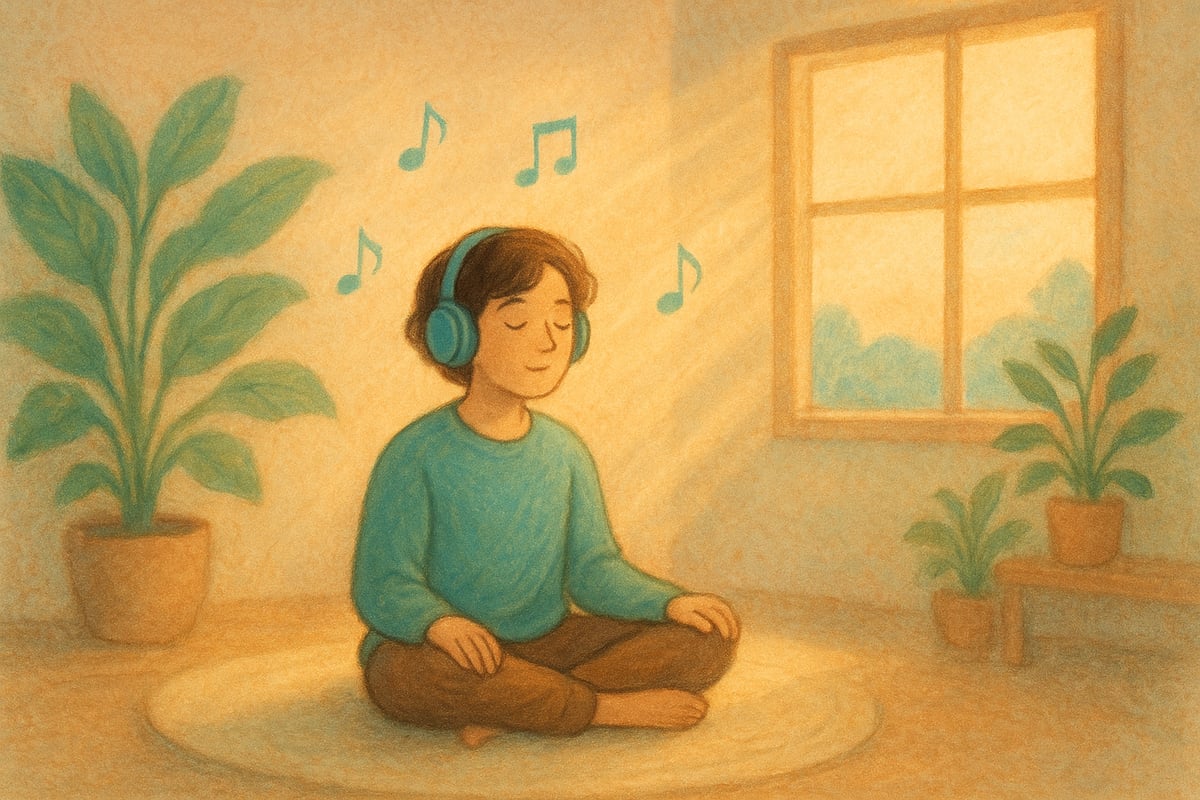
Step 1: Setting Your Intention and Environment
Creating the right space is the first step to a successful mindfulness and music practice. Begin by choosing a spot that feels safe and comfortable, whether it is a corner of your bedroom or a sunlit nook. Clear away distractions—turn off notifications, silence your phone, and let others know you need a few minutes to yourself.
Small touches can make a big difference. Try using soft lighting, a favorite cushion, or a hint of your favorite scent. Research shows that an inviting environment supports deeper focus and emotional openness. When you set your intention before you press play, you invite presence, curiosity, and self-care into the moment.
Step 2: Choosing the Right Music for Mindfulness
Not every song will serve your mindfulness and music journey. Look for tracks that match your mood or the intention you set. Instrumental music, gentle rhythms, and minimal or absent lyrics tend to help most people focus inward. Classical, ambient, or world music can be powerful choices.
Consider your personal and cultural preferences. For some, singing bowls or nature sounds feel grounding. For others, a familiar melody brings comfort. Studies suggest that slower tempos and softer tones are especially effective for relaxation and mindful focus. Trust your instincts and do not be afraid to experiment.
Step 3: Mindful Listening Exercises
With your environment ready and music chosen, it is time to practice mindful listening. Start by taking a deep breath and noticing the first note. Let the music wash over you. Feel the vibrations, notice rhythms, and observe how your body and mind respond.
As you listen, gently bring your attention back whenever your thoughts wander. Tune in to emotions that arise or sensations in your body. A simple five-minute routine can work wonders for anxiety or stress. Mindfulness and music together become your anchor, helping you return to the present with compassion and curiosity.
Step 4: Active Participation—Singing, Chanting, and Movement
Mindfulness and music can become even more transformative when you join in. Try humming, singing along, or moving gently to the beat. These actions help release tension and invite joy into your practice. Techniques like vocal toning, drumming, or mindful dance foster deeper connection with your emotions.
If you are curious about creative expression, explore Story to Song Practice for inspiration on turning personal stories into music and movement. This kind of active participation is supported by creative arts therapy and can unlock new layers of self-awareness and healing.
Step 5: Creating Personalized Mindfulness Playlists
To keep your mindfulness and music practice fresh, build playlists that reflect your needs and moods. Start with a few tracks for morning focus, midday grounding, or evening relaxation. Mix energizing tunes with calming ones to support different moments throughout your day.
Think of your playlist as a toolkit for self-care. Update it as your tastes shift or as you discover new artists. This ongoing curation keeps your practice engaging and personal. With a playlist you love, mindfulness and music become a natural, joyful ritual woven into daily life.
Benefits of Mindfulness and Music for Wellbeing
Imagine a life where the simple act of listening to music becomes a daily ritual for soothing stress, sparking creativity, and deepening your sense of connection. The benefits of mindfulness and music reach far beyond relaxation, touching every part of your wellbeing. Let’s explore how these two forces can transform your mind, body, and relationships.

Stress Reduction and Emotional Regulation
Stress has a way of sneaking into our lives, but mindfulness and music offer a gentle antidote. Research shows that mindful music listening lowers cortisol levels and soothes anxiety, creating a safe space to process emotions.
Picture yourself turning on a calming playlist during a tough moment. Each note guides your breath, helping your mind settle and your body relax. Studies from Yale highlight improved sleep quality and increased emotional resilience for those who blend mindfulness and music into routines.
Personal stories echo these findings. Many share how gentle melodies during stressful events, like transitions or loss, become anchors of comfort. Over time, these rituals nurture emotional balance and a steadier heart.
Enhancing Focus, Creativity, and Productivity
Have you ever felt a burst of inspiration while listening to your favorite song? That’s no accident. Mindfulness and music together can sharpen your focus, unlock creativity, and boost productivity.
Instrumental tracks, especially classical or ambient, are shown to enhance concentration and support creative thinking. Students and artists often use music as a backdrop for getting into a “flow” state, where distractions fade and ideas flourish.
In workplace settings, mindful music routines help professionals avoid overstimulation while staying energized. The key is choosing music that matches your task and mood, making mindfulness and music a tool for both productivity and imagination.
Supporting Mental Health: Anxiety, Depression, and Trauma
The journey to mental wellness is rarely linear, but mindfulness and music can be powerful companions. Clinical research highlights their effectiveness in reducing symptoms of anxiety and depression.
By combining mindful listening with intentional music choices, people learn to process and express difficult emotions in safe, supportive ways. For trauma survivors, music mindfulness in therapy can open doors to healing that words alone cannot. According to a recent study, music mindfulness reduces anxiety and depression, showing tangible benefits for mood and emotional regulation.
Therapists increasingly use music mindfulness in sessions, and adoption rates in 2025 are rising as more people seek gentle, evidence-based approaches to mental health.
Building Social Connection and Empathy
Music is a universal language, and when paired with mindfulness, it brings people closer. Group practices like singing, drumming circles, or communal listening events foster empathy and a sense of belonging.
Shared musical experiences create safe spaces for authentic connection. In schools and community centers, mindfulness and music group sessions encourage social bonding and support emotional growth.
Music therapy in group settings is especially effective for building trust and understanding. Want to strengthen relationships? Try inviting friends or family to a mindful music evening. The ripple effects can be felt long after the last note fades.
Physical Health and Somatic Benefits
Mindfulness and music reach beyond the mind, nurturing the body as well. Listening mindfully to music can lower heart rate and blood pressure, making it a supportive practice for those managing chronic pain or illness.
Somatic therapies often blend guided body scans with gentle music, helping people tune into physical sensations and release tension. Rehabilitation programs use music mindfulness for pain management and holistic healing.
Evidence shows that these practices support recovery, improve quality of life, and nurture a deeper connection between mind and body. Whether you are dancing, humming, or simply listening, the benefits of mindfulness and music are felt from head to toe.
Overcoming Barriers and Building a Sustainable Practice
Starting a mindfulness and music routine can feel daunting, but you are not alone. Many people face hurdles at the beginning, and the path to a sustainable practice is rarely a straight line. The good news? Every challenge is an opportunity to get curious and grow.

Identifying and Addressing Common Obstacles
Common barriers to mindfulness and music include lack of time, motivation, and confidence. Some believe you need musical skill or fancy equipment, while others feel uneasy sitting with their thoughts.
Try these gentle shifts:
- Start with micro-practices, like a 2-minute mindful listening break.
- Pair your practice with an existing habit, such as after your morning coffee.
- Invite a friend or join a group for accountability and support.
Remember, the journey into mindfulness and music is personal. Let go of perfection and focus on showing up, even in small ways. Over time, these little moments add up to meaningful change.
Customizing Practice for Different Lifestyles and Needs
No two lives are the same, and your mindfulness and music journey should reflect what matters to you. Busy parents can use short playlists during daily routines. Students might enjoy energizing tracks for focus, while elders may find comfort in familiar melodies.
For families, try group mindful listening or creative movement. If you are neurodiverse or differently abled, adapt the environment and music style to your sensory needs.
Building reflective rituals, like those described in Building Diary Vibes for Wellbeing, supports emotional connection and keeps your practice fresh. Mindfulness and music can be uniquely yours, shaped by culture, age, and preference.
Tracking Progress and Measuring Impact
How do you know if mindfulness and music are making a difference? Tracking your experience helps turn subtle changes into visible progress.
Try these methods:
- Keep a simple journal or use a mood-tracking app.
- Set small, meaningful goals, such as "listen mindfully three times this week."
- Reflect weekly on shifts in mood, focus, or stress.
Explore tools like Mood Journaling for Mindfulness, which make it easy to record and revisit your journey. Over time, you will see patterns and celebrate growth, fueling motivation to continue.
When to Seek Professional Guidance
Sometimes, self-guided mindfulness and music practice is not enough. If you notice persistent anxiety, depression, or trauma responses, consider reaching out to a music therapist or mindfulness coach.
These professionals offer tailored support, blending evidence-based methods with your personal goals. Therapy sessions can provide structure, safety, and creative tools that go deeper than solo practice.
Look for certified practitioners, and do not hesitate to ask about their approach. Remember, seeking help is a sign of strength, not weakness. Your wellbeing matters, and with the right support, mindfulness and music can become a powerful ally on your path.
Future Trends: Mindfulness, Music, and Wellbeing in 2025 and Beyond
The world of mindfulness and music is evolving at lightning speed. As we look ahead to 2025, expect new technology, research, and community practices to reshape how we experience music for wellbeing. Let’s explore what the future holds.
Technology and Innovation in Mindful Music
In 2025, technology is transforming how we approach mindfulness and music. AI-generated tracks now adapt in real-time to your mood, creating personalized soundscapes that deepen presence. Apps offer immersive meditation journeys, while virtual reality allows us to step into calming sonic worlds. Adaptive playlists respond to biometric feedback, tuning music to your stress or focus levels. Excitingly, recent studies reveal that AI-generated music elicits stronger emotional responses than ever before, promising new ways to support emotional regulation. The industry is booming, with investments pouring into music-tech startups focused on mental health.
Expanding Research and Evidence Base
The science behind mindfulness and music is growing richer each year. Ongoing clinical trials now track the long-term effects of music-based mindfulness on brain health, neuroplasticity, and aging. Global initiatives, including those from Yale and international partners, are expanding our understanding across cultures and age groups. Researchers are calling for more diversity in study samples, aiming to ensure that benefits reach everyone. As evidence mounts, we’re discovering new connections between music, emotion, and mental wellbeing, making the case for even wider adoption in the years ahead.
Integration into Healthcare, Education, and Workplaces
Mindfulness and music are moving from niche practices into mainstream institutions. Hospitals use custom playlists to aid patient recovery and reduce pain. Schools introduce music-mindfulness programs to enhance student focus and emotional growth. Workplaces adopt these tools to boost productivity and reduce burnout. Policy changes are making it easier for insurance to cover music-therapy interventions. Data shows these approaches are both cost-effective and impactful, hinting that by 2025, music-based mindfulness could be a standard part of care, learning, and work culture.
Building a Culture of Everyday Mindful Music
A cultural shift is underway as mindfulness and music become woven into daily life. Community events—like group drumming circles, mindful concerts, and local workshops—bring people together for shared musical presence. Influencers and media spread awareness, inspiring others to try mindful listening or movement. National mindfulness music days and neighborhood gatherings make the practice accessible and joyful. With each small step, we shape a future where mindful music is not just a trend but a daily ritual, nurturing wellbeing for all.
As you explore how mindfulness and music can reshape your wellbeing in 2025, remember—these practices are about more than just listening or reflecting, they’re about feeling every note and memory come alive in the present moment. When you give yourself space to capture a feeling, even a fleeting one, you can experience it all over again—more vivid, more alive, more you. If you’re ready to rediscover your memories in a way that’s rich with emotion and meaning, let’s take the next step together. Capture a feeling. Hear it come alive