Ultimate Guide to the Memory Soundtrack (2025 Edition)
Imagine pressing play and instantly reliving your favorite cinematic moments, each note capturing the rush of emotion and memory. The memory soundtrack does more than fill silence, it transforms every scene into an unforgettable experience.
In this ultimate guide, we'll explore the memory soundtrack, breaking down its tracks, revealing the context behind each piece, and uncovering the emotional impact for both devoted fans and newcomers. You'll discover the story behind the composer, highlights from the score, and practical tips to immerse yourself fully.
Ready to deepen your appreciation? Let's dive in and find new ways to experience the memory soundtrack together.
The Story Behind the Memory Soundtrack
The story behind the memory soundtrack is as layered and evocative as the film itself. Journey with us as we explore Rupert Parkes' unique musical vision, the creative process that shaped the score, and the lasting impression the memory soundtrack has left on listeners and critics alike.
Composer Profile: Rupert Parkes
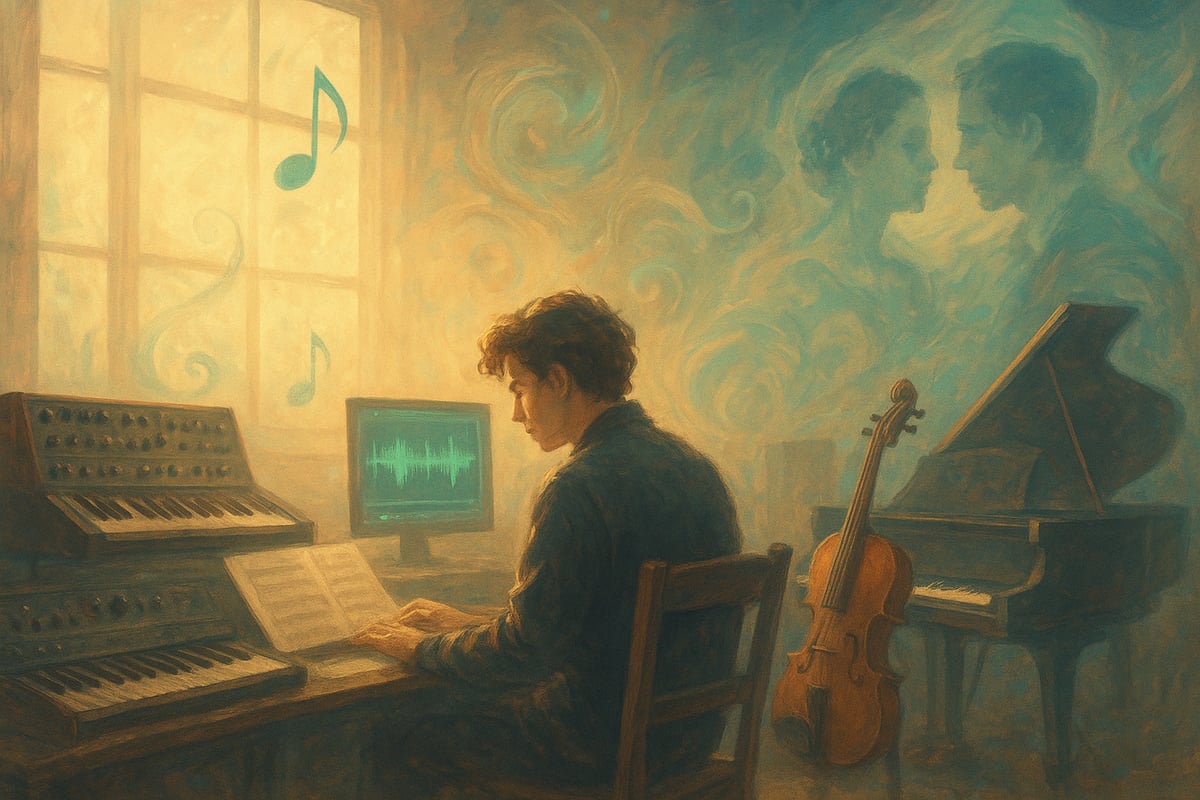
Rupert Parkes, also known as Photek, is the creative mind behind the memory soundtrack. Born in the UK, Parkes carved his reputation in the electronic music scene before transitioning to film scoring. His work has earned Grammy nominations and recognition for its innovative blend of electronic textures and cinematic depth.
Parkes' signature style fuses intricate rhythms with atmospheric soundscapes, drawing inspiration from his roots in drum and bass. For the memory soundtrack, he collaborated closely with the film's director, weaving personal emotion and narrative into every note. His approach focuses on using music as a vessel for storytelling, allowing each track to evoke memories and feelings long after the credits roll.
Production and Creative Process
The creation of the memory soundtrack began in early 2021, as Parkes joined forces with producers, directors, and a talented ensemble of musicians. The team worked intensely to ensure the score would mirror the film's shifting moods and complex narrative arcs.
Central to the process was Parkes' use of recurring motifs—melodies that resurface throughout the memory soundtrack, grounding the listener in the film's emotional journey. These motifs are carefully layered with both electronic and orchestral elements, creating a soundscape that feels at once modern and timeless.
Collaboration played a vital role. Parkes often exchanged ideas with the director, refining themes to align perfectly with each scene. Interviews reveal his meticulous attention to detail, from selecting specific synth patches to orchestrating live strings that heighten suspense or tenderness.
One challenge was balancing the memory soundtrack's electronic roots with the need for organic, human emotion. Parkes experimented with silence, subtle crescendos, and shifting tempos to capture the protagonist's internal struggles. The result is a score that not only supports the story but also stands on its own as an immersive listening experience.
Soundtrack Release and Reception
The memory soundtrack officially debuted on April 29, 2022, distributed by Lakeshore Records and Music.Film Recordings. This highly anticipated release quickly gained traction among fans and critics, praised for its innovative sound design and emotional depth.
Music critics highlighted the memory soundtrack's ability to evoke tension and nostalgia, with reviews appearing in major film and music publications. Audience feedback echoed this sentiment, noting how the score amplified the film's impact and lingered long after viewing.
The album's streaming numbers reflect its popularity, with tracks featured on curated playlists across platforms. Some reviewers even suggested the memory soundtrack could earn award nominations for its originality and storytelling power. For those seeking more details, Memory Soundtrack Album Details offers a comprehensive look at the track listing and release highlights.
Collectors and audiophiles have also embraced special vinyl and digital editions, appreciating the attention to detail in packaging and bonus content. Through its reception and reach, the memory soundtrack has solidified its place as a modern classic in film music.
Track-by-Track Breakdown: Memory Soundtrack (2025 Edition)
Step into the world of the memory soundtrack, where every note pulls you deeper into the film's emotional tapestry. This track-by-track breakdown invites you to listen with fresh ears, uncovering how each musical moment shapes the story's pulse and your own experience.
Opening Tracks: Setting the Tone
The memory soundtrack opens with a trio of tracks that instantly set the film's atmosphere. "Guadalajara" greets listeners with a subtle blend of electronic textures and gentle orchestral layers, hinting at the protagonist's inner world. The tempo is measured, almost hesitant, mirroring the film's opening scenes where uncertainty reigns.
Next, "Hola Mamita" introduces a warmer motif, using strings and soft synths to evoke nostalgia. It's a musical embrace, grounding the movie's complex themes in personal memory. This track also uses clever instrumentation, weaving in Latin-inspired rhythms that reflect the film's setting and cultural backdrop.
Finally, "You Are Nervous" ramps up the suspense. Percussive elements and minor-key melodies create a sense of unease, echoing the tension felt by the characters. These opening cues don't just accompany visuals; they invite you into the memory soundtrack's emotional language, preparing you for the journey ahead. For a deeper look at how these moments play out on screen, check out this Memory movie review & film summary (2022), which explores the film's emotional impact.
Key Narrative Moments in Music
As the memory soundtrack unfolds, tracks like "Sting Operation," "Return To El Paso," and "Alex Takes His Meds" act as narrative anchors. Each piece is carefully crafted to underscore pivotal plot developments, guiding listeners through twists and revelations.
"Sting Operation" features driving percussion and pulsating synths, capturing the adrenaline and danger of a high-stakes scene. The music's tempo quickens, echoing the protagonist's racing thoughts and the urgency of the moment. Here, the memory soundtrack becomes a silent narrator, heightening tension without a single word.
When the story shifts to "Return To El Paso," there's a noticeable change in mood. The arrangement slows, with melancholic piano and swelling strings. This track captures the weight of returning to a place filled with unresolved memories. The use of recurring melodic motifs ties the past and present together, a signature of the memory soundtrack's approach to emotional storytelling.
"Alex Takes His Meds" is particularly poignant. Sparse instrumentation and subtle electronic flourishes highlight the protagonist's vulnerability. The music ebbs and flows, mirroring the character's struggle to maintain control. Listeners often report feeling a sense of empathy, drawn in by the soundtrack's ability to express inner turmoil.
Throughout these moments, the memory soundtrack acts as both a guide and a mirror, reflecting the characters' journeys while amplifying your own emotional response. Whether it's tension, relief, or introspection, these tracks remind us how music can shape our experience of a story.
Emotional Highs and Lows: Central Themes
The emotional core of the memory soundtrack is found in tracks like "Car Park Shootout," "Put The Gun Down," and "Wounded." These pieces use every tool in the composer's kit to evoke fear, loss, and hope.
"Car Park Shootout" is a masterclass in suspense. The composer employs sudden silences and sharp crescendos, forcing listeners to hold their breath. The memory soundtrack here doesn't just accompany action; it creates it, making you feel every heartbeat and bullet.
In "Put The Gun Down," the mood shifts. Gentle piano motifs repeat, almost as if pleading for peace. The use of recurring themes connects this track to earlier moments, reinforcing the protagonist's struggle between violence and redemption. The memory soundtrack's leitmotifs act like echoes, reminding us of choices made and consequences faced.
"Wounded" stands out for its raw vulnerability. Strings swell, then fall away, leaving space for reflection. Silence is used as a powerful instrument, amplifying the sense of loss. Audience reactions often mention how this part of the memory soundtrack brings tears or a sense of catharsis.
These central tracks showcase how the memory soundtrack captures the protagonist's psychological journey. The interplay between sound and silence, tension and release, is what makes these moments unforgettable. Fans often revisit these pieces to relive the emotional highs and lows they felt during the film.
The Climax and Resolution
As the film nears its conclusion, the memory soundtrack delivers some of its most powerful statements. "Alex Is Dead," "Vincent Finds The Flashdrive," and the final tracks bring a sense of closure both musically and narratively.
"Alex Is Dead" opens with haunting harmonies and a somber pace. The melody lingers, creating an atmosphere of finality. The memory soundtrack here signals the end of a journey, inviting listeners to process the weight of what's transpired.
In "Vincent Finds The Flashdrive," there's a shift. The music becomes more hopeful, with brighter chords and a gentle rise in tempo. This change represents resolution, both in the story and in the emotional arc of the memory soundtrack.
The concluding tracks tie together the film's motifs, revisiting earlier melodies with subtle variations. This technique gives listeners a sense of completion, as if the soundtrack itself is saying goodbye. The lasting impact of these final moments is a testament to the memory soundtrack's ability to leave a deep emotional imprint.
Hidden Gems and Underrated Tracks
Beyond the main themes, the memory soundtrack offers hidden treasures for dedicated fans. Tracks like "Pigeons" and "No Alcohol Swab?" add unique flavors to the overall listening experience.
"Pigeons" is a brief, atmospheric piece that uses minimal instrumentation to evoke a sense of solitude. Its delicate soundscape stands in contrast to the more intense moments, offering a moment of calm.
"No Alcohol Swab?" brings a playful energy, featuring quirky rhythms and unexpected harmonies. These tracks may fly under the radar, but they showcase the memory soundtrack's versatility and attention to detail.
For listeners who explore beyond the obvious highlights, these hidden gems become favorite discoveries. They remind us that the memory soundtrack rewards curiosity, offering new layers with every listen.
Thematic Analysis: Emotion, Memory, and Sound
Music has a way of weaving itself into our memories, shaping the way we recall both films and moments from our own lives. The memory soundtrack is a prime example of how sound can become a vessel for emotion, nostalgia, and storytelling. Let's explore how this soundtrack not only supports the narrative on screen but also resonates with us long after the credits roll.
How Music Shapes Memory in Film
Have you ever heard a melody and instantly been transported back to a specific place or feeling? Science tells us this isn't just coincidence. The memory soundtrack leverages the brain's powerful link between music and memory, using carefully crafted themes to trigger emotional recall.
Researchers have found that music activates the hippocampus, the brain region responsible for storing memories. When a film uses recurring motifs, like those in the memory soundtrack, it creates a sense of familiarity that lingers with the audience.
| Study/Example | Finding |
|---|---|
| Janata et al. (2007) | Music evokes vivid autobiographical memories in listeners. |
| Memory Soundtrack | Tracks like "Guadalajara" recall pivotal scenes and emotions. |
Each piece in the memory soundtrack is designed to evoke specific moments, both in the film and for the listener. Fans often share stories of hearing a track and recalling not just the movie, but memories from their own lives. This emotional echo is what makes the memory soundtrack so much more than just background music.
Emotional Storytelling Through Soundtrack
Rupert Parkes, the creative force behind the memory soundtrack, is renowned for his ability to translate complex emotions into sound. By blending electronic roots with orchestral textures, he creates a soundscape that guides us through grief, suspense, and redemption.
One technique Parkes excels at is the use of leitmotifs—recurring musical phrases tied to characters or ideas. For example, the subtle shift in melody when the protagonist makes a difficult choice signals a change in the narrative's emotional tone. The memory soundtrack uses these motifs to deepen our empathy for the characters.
Compared to other film scores, the memory soundtrack stands out for its emotional depth and innovative blending of genres. Parkes' approach, as detailed on Rupert Parkes' official website, involves close collaboration with directors to ensure every note aligns with the film's vision.
What makes the memory soundtrack truly unique is how it invites us to feel the story, not just watch it. The music becomes a language of its own, expressing what words cannot.
The Soundtrack as a Standalone Experience
The memory soundtrack offers a captivating journey even outside the context of the film. Many listeners curate playlists featuring their favorite tracks for a range of moods—study sessions, reflective evenings, or moments of relaxation.
Streaming platforms have seen the memory soundtrack rise in popularity, with high user ratings and positive reviews. Its evocative melodies have inspired remixes, covers, and even fan-made videos, creating a community around shared emotional experiences.
Fans often describe how the memory soundtrack helps them process feelings or revisit memories, even if they haven't seen the film recently. This ability to stand alone as a work of art is a testament to Parkes' craftsmanship.
Whether you're seeking comfort, inspiration, or a spark of nostalgia, the memory soundtrack offers a space for personal reflection and connection. Its impact reaches far beyond the screen, echoing in the lives of those who listen.
How to Listen: Best Ways to Experience the Memory Soundtrack
Imagine pressing play and letting the memory soundtrack sweep you into a world of emotion, intrigue, and reflection. Whether you are a casual listener or a devoted collector, finding the right way to experience this score can transform your appreciation for every note.
Streaming, Purchase, and Collectors' Editions
The memory soundtrack is widely accessible, giving fans multiple ways to enjoy it. You can stream the full album on platforms like Apple Music, Spotify, and iTunes. Each service offers high-quality audio, making it easy to revisit your favorite tracks anytime, anywhere.
Collectors and audiophiles might prefer the digital, CD, or even special vinyl editions. These physical formats often include exclusive features, such as liner notes, behind-the-scenes photos, or bonus tracks that deepen your connection to the music. Limited collectors' editions sometimes come with unique packaging or signed artwork, turning the memory soundtrack into a treasured keepsake.
Pricing varies depending on the format and region, but digital versions are typically the most accessible worldwide. Vinyl and special editions may be available through select retailers or the film's official store, so keep an eye out for announcements on future releases.
Creating the Ultimate Listening Environment
To fully immerse yourself in the memory soundtrack, consider your listening setup. High-quality headphones can reveal subtle layers, electronic textures, and orchestral details that might go unnoticed with regular speakers. For a communal experience, a good stereo system can fill the room with atmosphere, making each track feel cinematic.
Curate your own playlists to match your mood. Use the memory soundtrack for relaxation, focused study sessions, or quiet reflection after a long day. Try listening in a dimly lit room or during a peaceful walk to let the music evoke vivid memories and emotions.
Integrate the memory soundtrack into your daily routines, whether as background for creative work or as a companion on late-night drives. The versatility of this score means it can adapt to any setting, making each listen a unique experience.
Memory Soundtrack in Pop Culture
The memory soundtrack has found its way into countless playlists, mood mixes, and social media trends. Fans remix and reinterpret tracks, sharing their creations on platforms like YouTube and TikTok. These tributes help the music reach new audiences and inspire creative expression.
The soundtrack's influence extends to other artists and composers, who draw from its blend of electronic and orchestral styles. Dedicated listeners often participate in online discussions, analyzing favorite moments and sharing personal stories tied to the music.
From fan art to themed listening parties, the memory soundtrack continues to spark a vibrant community. Its emotional depth and cinematic quality ensure it remains a favorite for those seeking music that resonates beyond the screen.
Similar Soundtracks and Recommendations
Finding the next great listen after the memory soundtrack can feel like searching for echoes of an unforgettable dream. The right score can transport you back to that same emotional landscape, offering new stories and sensations to explore. Let's dive into kindred soundtracks and see how Memory stands tall among today's cinematic music.
If You Loved Memory: What to Listen to Next
If the memory soundtrack left you wanting more, you are in luck. There are soundtracks out there that capture similar emotional depth and narrative power. Here are a few to add to your playlist:
- Dirty Angels by Rupert Parkes: This score carries the same electronic pulse and atmospheric tension. Parkes, also known as Photek, crafts a sound that is both haunting and cinematic. For more about his career, check out his Photek - Biography - IMDb.
- Everything Will Change by Gary Marlowe: This evocative soundtrack balances hope and melancholy, using delicate piano and lush textures to pull you into its world.
- Arrival by Jóhann Jóhannsson: Minimalist yet emotionally charged, this score is a masterclass in using music to underscore memory and longing.
- Sicario by Hildur Guðnadóttir: Gritty, immersive, and full of suspense, this soundtrack mirrors some of the memory soundtrack's darker tones.
Each of these soundtracks offers something unique, but all share a commitment to emotional storytelling. Listening to them alongside the memory soundtrack can reveal new layers of feeling and meaning.
Comparing Memory to Other Contemporary Scores
How does the memory soundtrack fit in with other recent film scores? While many soundtracks today blend electronic and orchestral elements, Memory stands out for its seamless fusion and narrative focus.
Let's compare some key features:
| Soundtrack | Composer | Style | Emotional Focus |
|---|---|---|---|
| Memory Soundtrack | Rupert Parkes | Electronic, Orchestral | Memory, Regret, Hope |
| Arrival | Jóhann Jóhannsson | Minimalist, Ambient | Longing, Wonder |
| Sicario | Hildur Guðnadóttir | Dark, Tense, Percussive | Suspense, Dread |
| Dirty Angels | Rupert Parkes | Gritty, Cinematic | Tension, Survival |
Trends in modern soundtracks include a focus on atmosphere, subtle motifs, and emotional realism. The memory soundtrack, however, excels in weaving its themes directly into the listener's experience, making every track feel personal. This attention to emotional detail is what keeps it at the forefront of the 2020s soundtrack landscape.
Whether you are exploring similar scores or comparing styles, the memory soundtrack invites you to listen deeply and discover new favorites.
Frequently Asked Questions About the Memory Soundtrack
Curious about the memory soundtrack and how it fits into the film's world? Here, you'll find answers to the most common questions from fans and newcomers alike.
Who composed the memory soundtrack and what is their background?
The memory soundtrack was composed by Rupert Parkes, known as Photek. He's an acclaimed electronic musician with a history in film scoring, blending electronic and orchestral sounds for deep emotional impact.
How many tracks are on the 2025 Edition and what are the highlights?
The 2025 Edition of the memory soundtrack features an expanded tracklist, including fan favorites like "Guadalajara," "Car Park Shootout," and "Alex Is Dead." Each track brings a unique mood and story element.
Where can I stream or buy the soundtrack?
You can listen to the memory soundtrack on platforms like Spotify, Apple Music, and iTunes. Physical editions and vinyl releases are also available for collectors.
Are there any special editions or bonus content?
Yes, special collector's editions of the memory soundtrack often include bonus tracks, behind-the-scenes liner notes, and exclusive artwork. These editions are perfect for fans who want a deeper experience.
What makes this soundtrack unique compared to others?
The memory soundtrack stands out for its emotional storytelling, combining electronic beats with cinematic orchestration. Rupert Parkes' signature style creates tension and empathy, connecting listeners to the film's narrative.
How does the music connect to the film's story?
Each track on the memory soundtrack is crafted to mirror key plot moments, character arcs, and emotional shifts. The recurring motifs and subtle cues help immerse the audience in the film's psychological journey.
Is the soundtrack available in different languages or regions?
The memory soundtrack is distributed globally, so it's accessible in most regions. While the music is instrumental, streaming platforms may offer region-specific editions or bonus material.
After diving deep into the emotional layers and intricate melodies of the Memory Soundtrack, you can probably feel how music connects us to our own moments and memories. If the soundtrack made you pause and reflect on how powerful a single note or memory can be, you're not alone. There's something beautiful about taking those feelings and letting them live beyond words. If you're curious to experience your memories in a whole new way—one that's expressive, vivid, and truly alive—I'd love for you to Capture a feeling. Hear it come alive.