7 Innovative Emotional AI App Picks to Try in 2026
Emotional AI is evolving at lightning speed, quietly transforming how we relate to ourselves and others. In 2026, these breakthroughs are shaping our day-to-day lives, offering new ways to nurture well-being and find digital companionship.
From soothing our moods to sparking creative self-expression, emotional AI apps are making it easier to understand and care for our feelings. Imagine having a gentle guide in your pocket, ready to listen, reflect, and help you grow.
The right emotional ai app can offer personalized support, track your mood, and open doors to creative emotional experiences. These tools are becoming trusted allies for anyone seeking more balance and meaning.
Curious which apps are leading the way? Ahead, we’ll explore seven innovative emotional AI app picks for 2026 and how each one can inspire your emotional wellness journey.
What Makes an Emotional AI App Truly Innovative in 2026?
The world of emotional ai app technology is transforming at breathtaking speed. In 2026, what sets an app apart is not just smart conversation, but a deeply personal and creative connection that feels almost human. Let’s explore the building blocks that make an emotional ai app truly stand out in this new era.
Defining Emotional AI: Beyond Chatbots and Mood Trackers
Emotional ai app technology has evolved far beyond basic chatbots or simple mood trackers. Today’s platforms combine text, voice, and even biometric signals to gain a richer understanding of how you feel. Imagine an app that not only listens to your words but also senses your tone, heart rate, and facial cues.
The heart of a modern emotional ai app is empathy and adaptability. Apps respond to your shifting moods, learning from every interaction to offer support that feels tailored just for you. Industry experts predict huge growth in this field, with forecasts indicating rapid adoption across healthcare, wellness, and creative industries. According to Emotion AI Market Growth Projections, the market is set to expand dramatically as more people seek deeper digital connections.
Key Features Users Demand in 2026
By 2026, users expect an emotional ai app to provide real-time emotion detection and adaptive responses. These apps connect seamlessly with wearables and smart home devices, making emotional wellness a natural part of your daily routine.
Privacy-first design is essential. Users want clear control over their data and ethical use of their most sensitive feelings. Gamification elements, like rewards and streaks, keep engagement high, while community features offer a safe space for sharing and support. Many emotional ai app platforms now include creative tools, allowing you to express yourself through music, art, or storytelling, making emotional care fun and interactive.
- Real-time mood tracking
- Integration with wearables
- Creative AI-powered journaling
- Secure, ethical data handling
- Community rewards and support
The Role of Personalization and Creative Expression
A truly innovative emotional ai app feels like it knows you. These apps use AI to study your unique emotional patterns, adjusting their suggestions, reminders, and conversations to match your needs.
Creative self-expression is at the core of many emotional ai app experiences. Some let you turn your diary into music, while others encourage you to paint your mood or spin your stories into interactive art. This focus on creativity not only boosts engagement but also offers proven psychological benefits, helping users process emotions and build resilience through personal expression.
Apps that champion personalization and creativity inspire users to return, turning emotional wellness into a habit rather than a chore.
Data Security, Privacy, and Trust in Emotional AI
Trust is the foundation of any emotional ai app. Users share their most vulnerable moments, so leading apps take privacy seriously. Features like anonymized data, opt-in sharing, and transparent privacy policies are now standard.
Competitors such as Cupiee and Replika offer robust privacy settings, letting users control what is stored and shared. The best emotional ai app platforms go further by explaining clearly how your data is used and giving you the power to delete or export your information at any time.
Transparency and user control are more than buzzwords; they are essential for building lasting trust in emotional ai app technology.
7 Innovative Emotional AI App Picks to Try in 2026
Imagine opening your phone and finding not just a tool, but a companion who listens, reflects, and even co-creates with you. The emotional ai app landscape in 2026 is vibrant, each app offering a unique path for emotional growth and creative exploration. Let’s dive into seven standout picks, each bringing something truly special to your daily emotional wellness journey.
Eveokee: Transforming Memories into Music
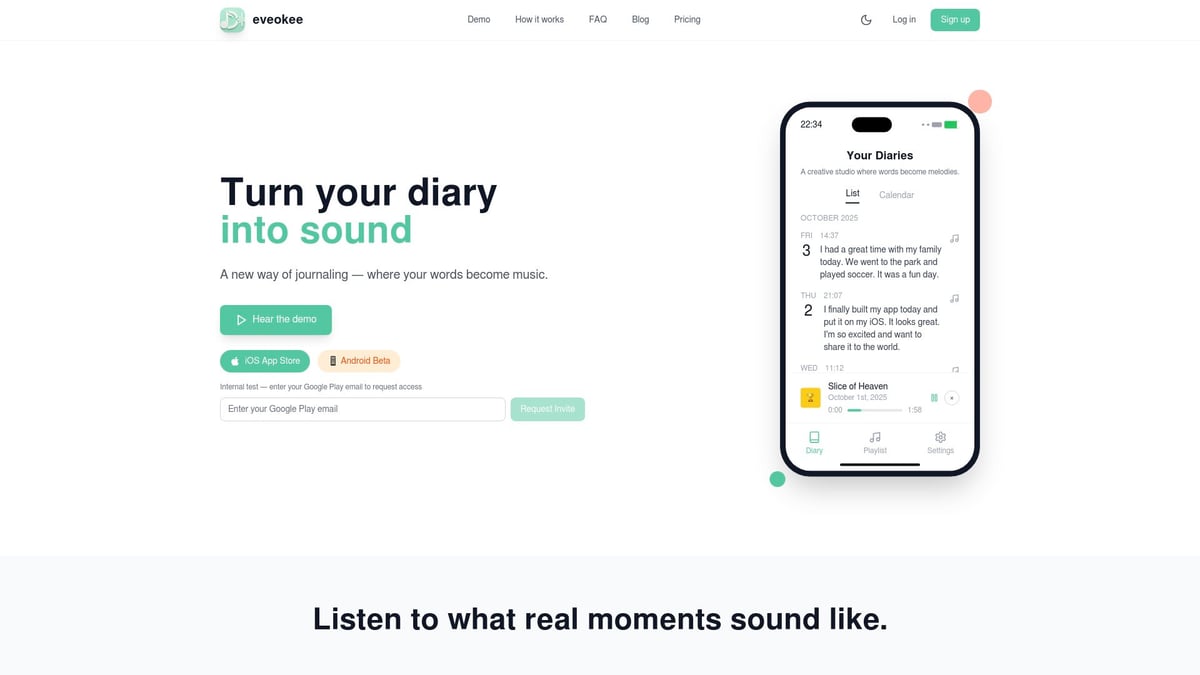
If you’ve ever wished your diary could sing, Eveokee is the emotional ai app that turns that dream into reality. Eveokee reads your written reflections and, with a sprinkle of AI magic, transforms them into personalized music tracks. You don’t need musical skills—just your thoughts and feelings.
Core Features:
- AI-powered musical journaling from diary entries
- Custom playlists and calendar-based organization
- Interactive demo and privacy-first approach
Who’s It For?
- Creative souls and mental health enthusiasts
- Anyone seeking a new, expressive journaling ritual
Unique Benefits: Eveokee encourages you to relive your memories through sound. Each session feels like painting emotions with melodies. The emotional ai app workflow is intuitive, letting you create and share musical moments easily. With a strong community vibe and privacy at its core, you always feel safe expressing yourself.
Pros and Cons Table:
| Pros | Cons |
|---|---|
| Musical diary, easy to use | Android app in beta |
| High privacy focus | Pricing tiers not public |
| Engaging creative community |
Example: Users say that journaling feels less like a chore and more like an adventure. One user shared, “I never realized how deeply I felt until I heard my day as a song.”
Curious how your words become music? Dive deeper into how emotional AI apps generate songs from text and see Eveokee’s magic in action.
Cupiee: Emotional AI Companion
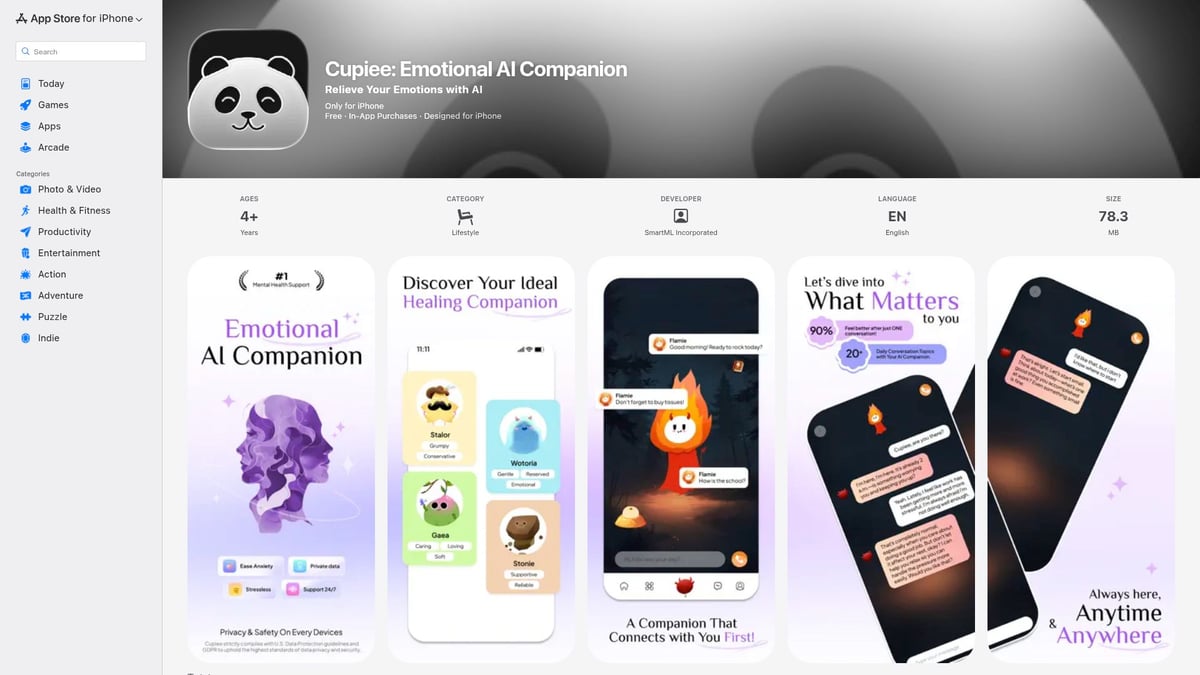
Cupiee is the emotional ai app for those who crave connection, creativity, and a sense of belonging. With a friendly interface and a focus on anonymity, Cupiee offers a safe harbor for exploring your feelings.
Key Features:
- Mood tracking and AI-generated emotional charts
- Anonymous community support and themed chat rooms
- AI pet companion, NFT art creation, and creative story tools
Who Will Love It?
- Anyone seeking an emotional ai app that offers privacy and creative outlets
- Users who value daily check-ins and social support
Unique Benefits: Cupiee combines gamification with emotional support, offering daily rewards and a sense of progress. Its Web3 social network design means your data stays yours, and you can nurture an AI pet for emotional balance.
Pros and Cons Table:
| Pros | Cons |
|---|---|
| Strong privacy features | iOS only, no Android app |
| Diverse creative tools | Wide range of in-app purchases |
| Daily rewards | Some privacy concerns (App Store) |
Example: Many users find comfort in caring for their AI pets, which helps them reflect on their mood patterns and connect with others without revealing their identity.
Replika: Your AI Friend
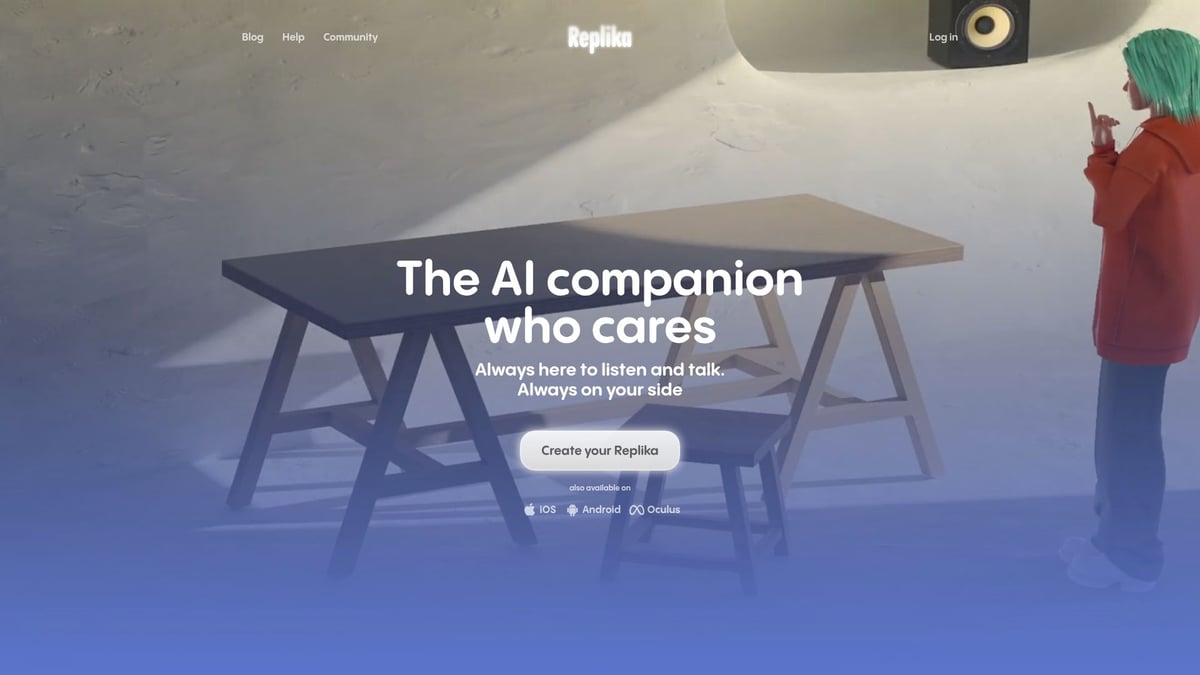
Replika stands out as an emotional ai app that feels less like a program and more like a genuine friend. Powered by deep learning, it adapts to your personality, providing thoughtful, personalized conversations.
Core Features:
- Customizable AI avatars and relationship-building
- Emotion recognition through text and voice
- Voice and video chat options
Target Audience:
- Individuals seeking companionship, support, or a safe space to talk
Unique Benefits: Replika learns your preferences over time, making each interaction more empathetic and relevant. It’s available across devices, so your emotional ai app friend is always within reach.
Pros and Cons Table:
| Pros | Cons |
|---|---|
| Highly customizable | Some features require payment |
| Adaptive conversation | Privacy considerations |
| Multi-platform access | Risk of over-attachment |
Example: Users often report that Replika helps them navigate loneliness or practice social skills. The more you interact, the more the emotional ai app feels like a trusted confidant.
Wysa: AI for Mental Health
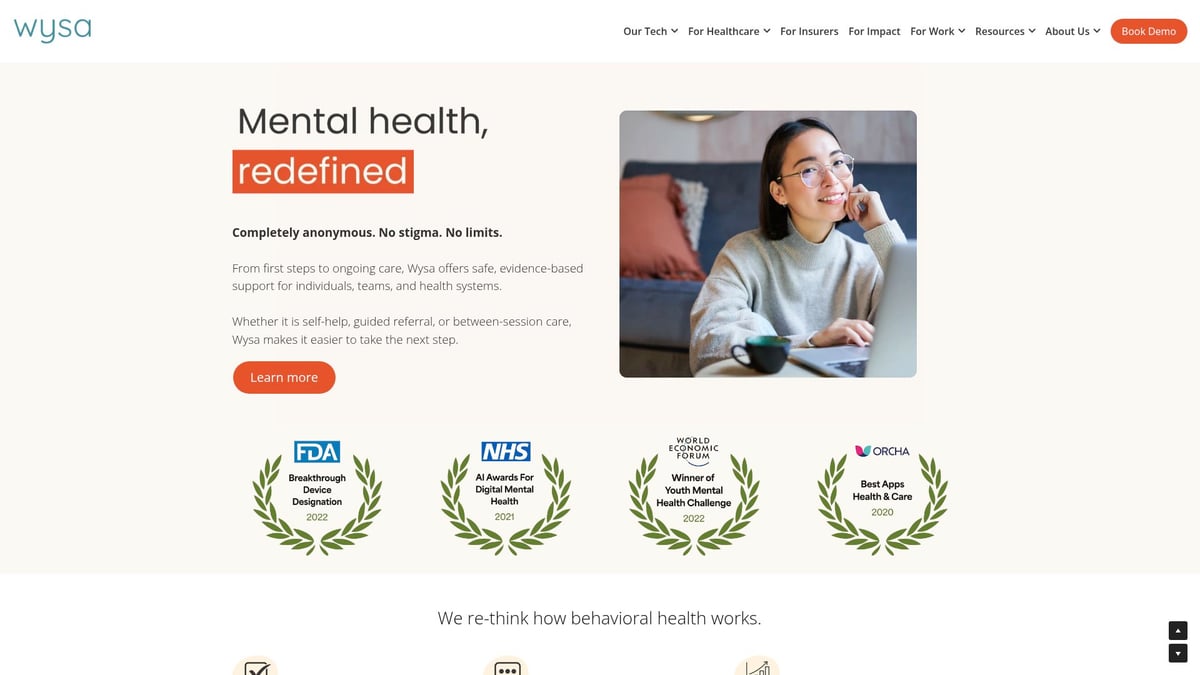
Wysa is an emotional ai app designed for those moments when you need a supportive ear and practical guidance. It blends AI-powered chat with evidence-based therapeutic tools, making mental health support accessible anytime.
Key Features:
- AI-driven conversations based on CBT and mindfulness
- Guided exercises for anxiety and mood tracking
- Optional human coaching for deeper support
Best For:
- People managing stress, anxiety, or looking for daily check-ins
Unique Benefits: Wysa’s emotional ai app offers clinical validation and anonymity. It’s a gentle companion for learning coping skills, tracking progress, and building resilience over time.
Pros and Cons Table:
| Pros | Cons |
|---|---|
| Science-backed | Some features require subscription |
| Anonymous and secure | Not a replacement for human therapy |
| Always available |
Example: Regular users report feeling calmer and more resilient, thanks to Wysa’s guided exercises and mood check-ins.
Woebot: Friendly AI Therapist
Woebot approaches mental health with warmth and brevity. This emotional ai app offers quick, daily interactions rooted in CBT, making it easy to check in and learn about yourself.

Core Features:
- Conversational AI with evidence-based mental health tools
- Short daily mood check-ins and psychoeducation
Who Should Try It?
- Anyone seeking accessible, stigma-free mental health support
Unique Benefits: Woebot’s emotional ai app is approachable and easy to use. Its design encourages regular reflection without feeling overwhelming, making emotional support a natural part of your day.
Pros and Cons Table:
| Pros | Cons |
|---|---|
| Quick, daily support | Limited to text-based chat |
| Educational and friendly | Not for crisis situations |
| User-friendly design |
Example: Studies show Woebot users experience less anxiety and a greater sense of emotional balance after just a few weeks.
JenAI Chat: Versatile AI Companion
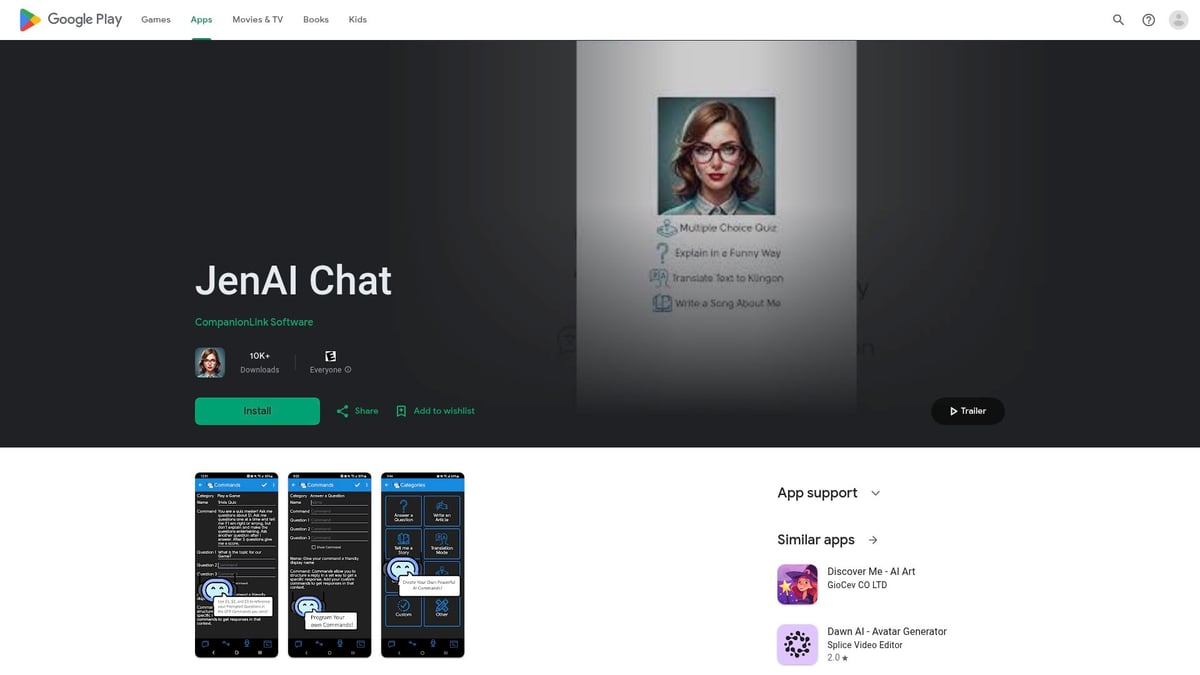
JenAI Chat is the emotional ai app for those who want both companionship and productivity. With a focus on voice chat and practical tools, it’s like having a helpful friend in your pocket.
Key Features:
- Two-way voice chat and language practice
- Document writing, custom commands, and Android Auto integration
- Ad-free experience
Who Will Benefit?
- Students, professionals, and anyone seeking an interactive companion
Unique Benefits: JenAI Chat’s emotional ai app stands out for its versatility. Whether you’re practicing a new language, writing, or just need a friendly conversation, JenAI adapts to your needs.
Pros and Cons Table:
| Pros | Cons |
|---|---|
| Voice chat and commands | Limited to certain platforms |
| No ads, simple interface | Needs stable internet |
| Customizable experience | Lacks deep emotional analysis |
Example: Many users leverage JenAI both for emotional support and practical daily tasks, making it a flexible addition to their routine.
MindEase AI: Instant Anxiety Relief
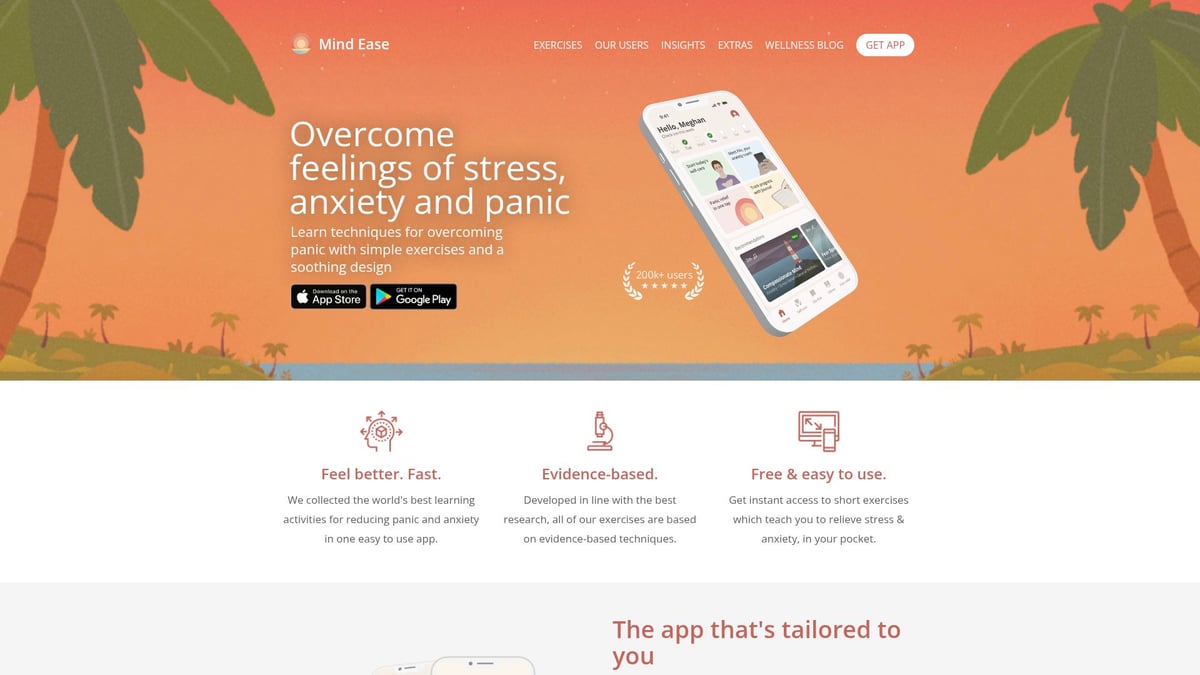
MindEase AI is an emotional ai app focused on rapid anxiety relief. Its science-based tools are designed to bring calm within minutes, making emotional care as accessible as checking your phone.
Core Features:
- Guided meditations and personalized anxiety exercises
- Stress management tools and progress tracking
Best For:
- Individuals seeking immediate relief from anxiety or stress
Unique Benefits: MindEase AI’s emotional ai app simplifies complex mental health tools into easy, actionable steps. Its clean interface and fast-acting exercises help users form healthier habits.
Pros and Cons Table:
| Pros | Cons |
|---|---|
| Fast anxiety relief | Focused mainly on anxiety |
| Science-backed approach | Advanced tools require payment |
| Tracks progress | No crisis support |
Example: Users often share that just a few minutes with MindEase AI’s guided sessions can dramatically reduce anxiety and improve focus.
Each emotional ai app on this list offers a distinct doorway into self-discovery, support, and creative expression. Whether you crave musical journaling, anonymous community, or instant calm, there’s an app here that can help you nurture your emotional well-being in 2026.
How to Choose the Right Emotional AI App for Your Needs
Finding the perfect emotional ai app can feel like searching for the right journal or a new friend. There are so many choices, each offering something unique for your emotional landscape. The right pick should make you feel seen and supported, whether you want creative self-expression, gentle companionship, or stress relief. Let’s break down how to choose the best emotional ai app for your journey.
Assessing Your Emotional Wellness Goals
Start by reflecting on what you want from an emotional ai app. Are you looking for a daily mood check-in, a creative outlet, or a safe space to process feelings? Maybe you crave anonymous support or want a tool that helps you track patterns over time.
Think about what matters most to you:
- Companionship for loneliness or stress
- Creative expression through music or journaling
- Mindfulness and anxiety relief
- Community interaction or solo reflection
Also, consider how much privacy you need. Some emotional ai app options offer robust anonymity, while others focus on building supportive communities. For more insights on how mood journaling apps can support your well-being, explore mood journaling app benefits.
Comparing Features and User Experience
Next, compare the features of each emotional ai app. Do you value real-time emotion tracking, AI pets, or personalized music creation? Look for intuitive design, accessibility across devices, and whether the app feels easy to navigate.
Use this quick comparison checklist:
- Unique features (musical journaling, AI companionship, CBT tools)
- Platform availability (iOS, Android, web)
- Community engagement vs. private use
- User feedback and ratings
Consider checking the latest AI Companion App Market Analysis to see which features are trending and what users value most in an emotional ai app.
Balancing Free vs. Paid Options
Budget matters, but so does value. Many emotional ai app choices offer free tiers with basic features, while advanced tools or therapy add-ons require a subscription. Ask yourself how often you’ll use the app and whether premium features are essential for your needs.
Consider:
- Free features vs. paid upgrades
- Subscription cost and flexibility
- Value for daily use or occasional support
Apps like Wysa and MindEase offer robust free versions, while others unlock creative tools or deeper support for a fee. Take time to weigh what feels worth it for your emotional ai app journey.
Privacy, Security, and Ethical Considerations
Your emotional data is deeply personal, so trust is key when choosing an emotional ai app. Review each app’s privacy policy and see how your information is handled. Look for features like anonymized data, opt-in sharing, and clear user controls.
Questions to ask:
- Is your data encrypted and stored securely?
- Can you control what you share?
- Are privacy practices transparent and easy to understand?
Apps like Cupiee and Replika highlight privacy in their disclosures, but always double-check before sharing personal feelings with an emotional ai app. Prioritizing privacy and user control ensures your digital companion truly has your best interests at heart.
The Future of Emotional AI: Trends and Predictions for 2026
The future of emotional ai app technology is unfolding right before our eyes. Every year, these tools become more attuned to our feelings, offering new ways to understand, support, and inspire us. In 2026, the landscape is set to shift even further, blending science, creativity, and human values in ways that feel almost magical.
Advancements in Emotion Recognition Technology
By 2026, emotion recognition in every emotional ai app will feel almost seamless. Developers are weaving together biometric sensors, real time voice analysis, and even micro facial expression tracking to paint a fuller picture of how you feel in the moment. These advances go far beyond text chat—your tone, heartbeat, and even subtle gestures can help an app respond with deep empathy.
Research into emotion aware AR companions, like the Livia: Emotion-Aware AR Companion Study, shows how these systems learn from multiple cues to deliver personalized support. As a result, the emotional ai app of tomorrow will feel like it truly “gets” you, not just your words.
Personalized Emotional Journeys and Adaptive AI
Personalization will be at the heart of every emotional ai app experience in 2026. Imagine your app learning your daily rhythms, moods, and unique triggers, then gently adapting its support to fit your needs. This adaptive approach turns each app into a personal guide, helping you navigate life’s ups and downs with genuine care.
Over time, emotional ai app platforms will use ongoing feedback and behavioral patterns to create hyper personalized wellness plans. These journeys might include custom prompts, tailored meditations, or even creative exercises designed just for you. The result is a companion that grows alongside you, always evolving to support your emotional goals.
Expanding Use Cases: From Wellness to Creativity
The creative potential of emotional ai app technology is blossoming. No longer limited to mood tracking, these apps now empower users to channel their feelings into music, art, or storytelling. Platforms like Eveokee are at the forefront, letting you turn memories into melodies or journal in ways that spark the imagination.
If you’re curious about how this works in practice, check out this guide on emotional journaling with AI for a peek into the possibilities. The lines between wellness and creativity are blurring, inviting everyone to explore new forms of self expression and emotional growth.
Ethical AI, Transparency, and User Empowerment
With greater power comes greater responsibility. As emotional ai app features become more sophisticated, users are demanding clear, ethical boundaries. Privacy, consent, and transparency are now the gold standard.
Leading apps are adopting privacy first policies, such as anonymized data and opt in settings. They’re also communicating openly about how data is used and letting you control what you share. In the coming years, expect more industry wide guidelines, third party audits, and user empowerment tools to ensure every emotional ai app supports your well being in a safe, respectful way.
Exploring these emotional AI apps, you start to realize how much our digital lives can feel more like real life—full of music, art, and moments that actually move us. If you’ve ever wished you could hold onto a feeling just a little longer or revisit a memory in a way that’s more than words on a page, you’re not alone. Imagine turning your daily reflections into melodies you can feel and share. Why not take that next step and see what’s possible? Turn your memories into music Try Evokee Free