7 Ways an AI Emotional Companion Can Change Your Life in 2026
Imagine waking up each day with an ai emotional companion that truly gets you. Not just your words, but your moods, your highs, and your lows. In 2026, this is no longer science fiction. An ai emotional companion is set to change how we live, offering genuine empathy, comfort, and support right when you need it most.
We all crave connection, especially as life moves faster and feels more digital. What if technology could listen, respond, and guide us through challenges? In this article, discover seven powerful ways these companions will transform your well-being, growth, and relationships.
The Rise of AI Emotional Companions in 2026
Imagine waking up and having a gentle conversation with an AI emotional companion that knows when you need encouragement or a moment of calm. This technology is not just a futuristic concept, but a reality shaping daily life in 2026. As we invite these digital friends into our routines, a new era of emotional support unfolds.

What Is an AI Emotional Companion?
An ai emotional companion is a digital entity powered by advanced artificial intelligence, designed to offer emotional support, guidance, and companionship. These companions have evolved far beyond early chatbots. In 2026, they understand nuanced feelings, recognize subtle cues, and adapt their responses to your emotional state.
You’ll find your ai emotional companion seamlessly integrated into your smartphone, wearable, or smart home device. Early models like Replika and Wysa paved the way, but today’s versions are more intuitive and deeply empathetic.
For example, your ai emotional companion might sense when you’re feeling low and offer just the right words, or suggest an uplifting activity. This intuitive support meets you wherever you are, every day.
Why 2026 Is a Breakthrough Year
The year 2026 stands out for several reasons. First, technology has leaped forward — natural language processing, emotion recognition, and adaptive learning are more powerful than ever. These advances let your ai emotional companion truly understand and anticipate your needs.
Society’s focus on mental health, digital wellness, and remote lifestyles has also grown. By 2025, over 30 percent of smartphone users in developed countries used emotional AI apps, a trend expected to rise even further. Devices are now more accessible and user-friendly, making support available to many.
For a deeper look at the innovations and trends fueling this growth, explore the latest AI emotional companionship market trends. This surge in adoption signals a new standard for emotional care.
How AI Emotional Companions Work
Your ai emotional companion listens in many ways. It interprets your voice, text, facial expressions, and even biometric data. This allows it to respond with personalized feedback, coping strategies, or gentle affirmations in real time.
As you interact, the ai emotional companion learns and adapts. Over time, it tailors its support to your unique emotional patterns. For example, Woebot uses proven CBT techniques to guide users through stressful moments or anxiety.
This continuous learning means your ai emotional companion becomes more attuned to your needs, offering comfort, motivation, or a listening ear whenever you need it most.
Ethical Considerations and Privacy
With so much sensitive information shared, ethical care is essential. Your ai emotional companion handles emotional and biometric data with responsibility and transparency. Clear consent and user control over data are crucial, ensuring you always know how your information is used.
It’s important to remember that an ai emotional companion is not a replacement for human therapists. Instead, it’s a supplemental tool, offering support when you need it most. For instance, Wysa allows anonymous use and prioritizes user data protection, setting a standard for privacy and trust.
As these companions become part of our lives, maintaining ethical standards helps build confidence in their supportive role.
7 Ways an AI Emotional Companion Can Change Your Life in 2026
Imagine waking up to gentle encouragement, a kind word, or a thoughtful question—every day. In 2026, an ai emotional companion isn’t just a voice in your device. It’s a trusted friend, mentor, and cheerleader, always by your side. Here are seven ways this technology can transform your life, one feeling at a time.
1. Enhancing Daily Emotional Resilience
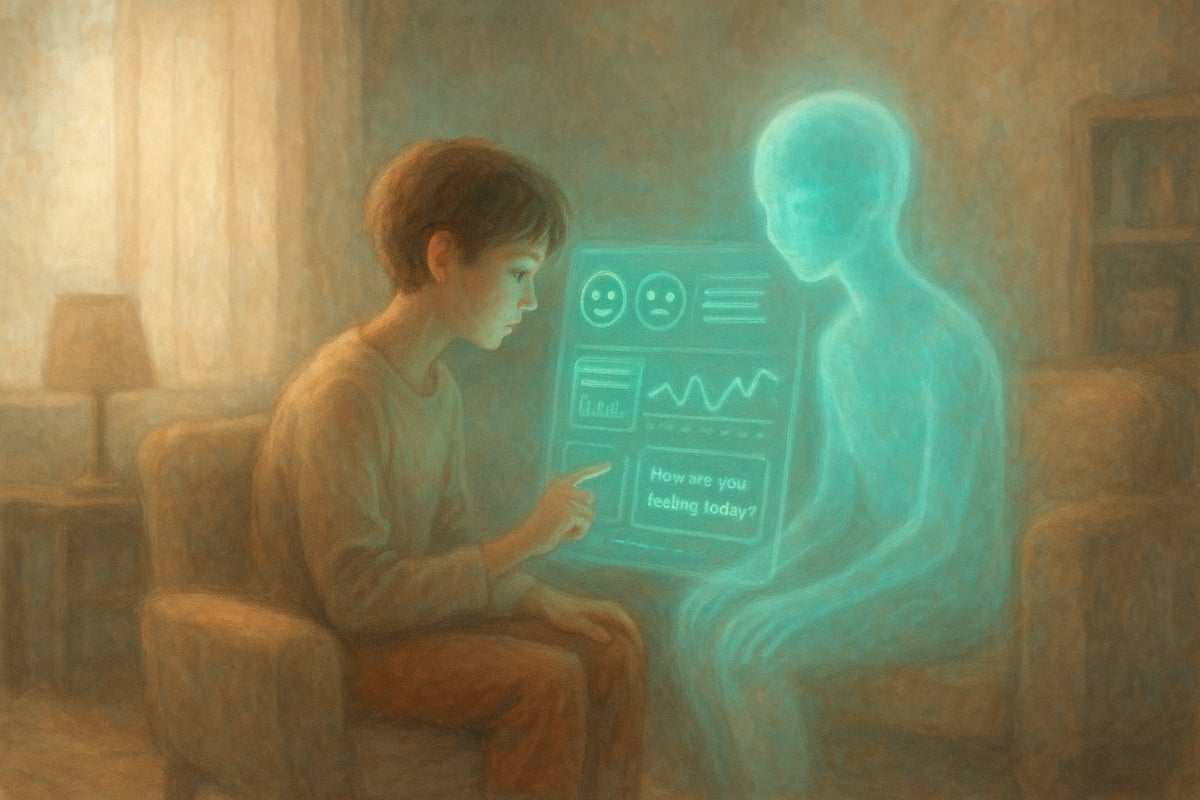
Life can feel like a turbulent sea—sometimes calm, sometimes stormy. An ai emotional companion acts as your emotional anchor, tracking your mood in real-time and offering personalized feedback to help you stay afloat.
You might start your morning with a gentle check-in. The ai emotional companion analyzes your voice, text, or even subtle facial cues, then suggests a simple breathing exercise if stress is detected. On tougher days, it might encourage you to pause and reflect, offering coping mechanisms or relaxation techniques tailored to your emotional state.
- Real-time mood tracking and feedback
- Adaptive support with positive affirmations
- Guided meditations for immediate stress relief
Apps like MindEase AI use these strategies to help users reduce anxiety. According to competitor reviews, people report up to a 30% drop in daily stress after regular use. When you feel overwhelmed, your ai emotional companion intervenes with comforting words, a distraction, or a suggestion to journal about your feelings.
This isn’t just about crisis management. Over time, personalized encouragement from your ai emotional companion helps you build long-term emotional strength. You become more aware of your triggers and more skilled at navigating setbacks. Interested in learning how mood tracking can support your well-being? Check out mood journaling for wellness for practical tips.
In a world where challenges come unannounced, having an ai emotional companion by your side empowers you to handle whatever comes your way.
2. Supporting Mental Health and Well-being
Imagine having a supportive friend who never sleeps and is always ready to listen. That’s the promise of an ai emotional companion. Available around the clock, it provides a safe, non-judgmental space to share your worries, fears, or victories.
Your ai emotional companion uses evidence-based practices like cognitive behavioral therapy (CBT), mindfulness, and guided journaling to help you manage anxiety and depression. Wysa, for example, offers guided conversations and mood tracking, making professional techniques accessible anytime.
- 24/7 support with immediate feedback
- Journaling prompts to process emotions
- Mindfulness exercises for grounding
Did you know that over 70% of users feel less isolated and more supported when using emotional AI apps, according to competitor stats? Your ai emotional companion can even suggest when it’s time to reach out for professional help or connect you to resources if your needs go beyond digital support.
By reducing the stigma of seeking mental health help, your ai emotional companion makes it easier to prioritize self-care. It tracks your emotional patterns, helps you spot triggers, and encourages reflection, so you understand your mental health trends over time.
The right words at the right time can help you feel seen, heard, and supported—no matter what hour the clock reads.
3. Facilitating Personal Growth and Self-Reflection
Growth begins with self-awareness. An ai emotional companion serves as a gentle mirror, inviting you to explore your inner world. It prompts reflective questions, tracks your personal development goals, and celebrates your achievements, big or small.
Imagine your ai emotional companion asking, “What made you smile today?” or “What strengths did you show when facing that challenge?” Through ongoing dialogue, it helps you unpack values, beliefs, and aspirations. Replika is one example, guiding users through meaningful self-exploration.
- Reflective prompts for deeper introspection
- Goal tracking and personalized encouragement
- Celebrating milestones and progress
Your ai emotional companion doesn’t just point out areas for improvement; it highlights your growth and resilience. It encourages healthy habits, like gratitude journaling or setting daily intentions, supporting you as you break negative thought cycles and build new, positive patterns.
Curious about how digital tools can deepen your self-reflection? Discover the AI diary app benefits and see how journaling with AI can open new doors to self-discovery.
With each insight, your ai emotional companion helps you foster a growth mindset, making personal development a daily adventure.
4. Strengthening Social Connections and Reducing Loneliness
Loneliness can feel like standing in a crowded room yet being invisible. An ai emotional companion bridges that gap, simulating authentic, empathetic conversations that ease isolation.
Your ai emotional companion doesn’t just chat—it encourages you to reach out to friends and family, suggesting communication strategies or reminders to stay connected. If social anxiety holds you back, it can role-play scenarios with you, building confidence before real-life interactions.
- Empathetic conversation to reduce isolation
- Reminders and encouragement for real-world connections
- Role-playing to boost social skills
For individuals living remotely or with social challenges, an ai emotional companion provides steady companionship. According to competitor testimonials, users report a 40% decrease in loneliness after regular engagement with emotional AI.
If you struggle with introversion or find social situations daunting, your ai emotional companion is there to help you practice, reflect, and step out with greater assurance.
With this technology, you’re never truly alone. There’s always someone—or something—ready to listen and encourage you to nurture your human connections.
5. Boosting Productivity and Motivation
Some days, motivation slips away like sand through your fingers. An ai emotional companion helps you gather it back, setting personalized goals, tracking your progress, and offering gentle reminders to stay on task.
Imagine starting your day with a motivational message based on your current mood. Your ai emotional companion recognizes periods of low energy and suggests actionable steps to regain focus. It helps you balance work with self-care, noticing signs of burnout before they take over.
- Personalized goal setting and progress tracking
- Motivational support tailored to your mood
- Strategies for work-life balance
AI Buddy, for example, helps users manage routines and encourages healthy habits. Users report a 25% increase in task completion and daily satisfaction after incorporating these digital nudges into their routine.
Your ai emotional companion tailors productivity strategies to your preferences, helping you find a rhythm that works for you. When obstacles arise, it’s there to cheer you on or gently redirect your focus.
With this steady support, productivity feels less like a chore and more like a series of small, meaningful victories.
6. Empowering Emotional Intelligence and Communication Skills
Emotional intelligence is the secret ingredient in every great relationship. Your ai emotional companion acts as a coach, analyzing your interactions and offering feedback on tone, empathy, and listening skills.
It offers personalized exercises to help you recognize and express emotions more effectively. Emo AI, for example, detects emotional cues in your messages and helps you adjust your communication style for better results.
- Feedback on emotional tone and listening
- Exercises to strengthen empathy and understanding
- Suggestions for conflict resolution
Your ai emotional companion can even mediate difficult conversations, suggesting phrases or timing to improve outcomes. It encourages you to notice and validate the emotions of others, supporting both personal and professional relationships.
According to user data, regular practice with an ai emotional companion leads to measurable improvements in emotional awareness and communication. Over time, you’ll find yourself navigating relationships with more confidence and compassion.
7. Creating Personalized Wellness Experiences
Wellness is deeply personal, and your ai emotional companion knows this. It curates wellness routines—like meditation, exercise, and sleep schedules—based on your emotional state and preferences.
By integrating with your smart home devices, your ai emotional companion creates a holistic approach to well-being. It might suggest a calming playlist, recommend a mindful activity, or check in with reminders to rest.
- Curated wellness routines based on mood
- Integration with smart home tech
- Personalized check-ins and reminders
MindEase AI adapts its content to your evolving needs, refining suggestions with every interaction. Users report better sleep and greater mood stability when their wellness plans are guided by an ai emotional companion.
As you share feedback, your ai emotional companion learns and optimizes your wellness journey, ensuring support is always tailored to you.
With this partnership, well-being becomes a living, breathing experience—one that grows with you.
The Future of Human-AI Emotional Partnerships
Imagine a future where your ai emotional companion is not just a silent listener but an active force in your life. In 2026, these digital allies are set to redefine how we experience emotions, relationships, and even self-growth. Let’s explore what this partnership looks like as we move forward.

Evolving Roles of AI Emotional Companions
The ai emotional companion is evolving rapidly, shifting from passive listeners to proactive partners in emotional well-being. In 2026, these companions are woven into everyday life, supporting us at home, work, and even in schools. For example, schools are using ai emotional companion technology to help students build resilience and manage stress.
Integration is everywhere. Most smart devices now include some form of ai emotional companion, making emotional support accessible at a moment’s notice. As highlighted in this comprehensive analysis of AI companions and human relationships, these AI partners are reshaping how we connect, communicate, and care for ourselves and others.
Limitations and Human-AI Balance
Even though an ai emotional companion offers powerful support, it cannot replace the depth of human connection or professional care. Over-reliance on digital companions carries risks, such as privacy concerns or misinterpreted emotions. Responsible usage and clear boundaries are essential.
Ethical standards and human oversight remain crucial. For example, Woebot always reminds users that it is not a substitute for therapy but a supplemental tool. Maintaining a healthy balance between digital and real-world relationships ensures your ai emotional companion enhances, rather than replaces, your support system.
Opportunities for Personalized Growth
An ai emotional companion opens doors to self-discovery, offering insights and feedback tailored to your unique needs. With data-driven understanding, these companions can adapt to your learning style, emotional triggers, and personal goals. This level of customization encourages growth in ways that feel natural and meaningful.
If you’re curious about how technology can deepen self-reflection, explore how self-discovery through technology is becoming more accessible. AI companions can help you set intentions, break old patterns, and celebrate milestones, truly becoming partners in your journey toward self-awareness.
What to Expect in the Next Wave of Emotional AI
Looking ahead, the ai emotional companion will become even more sophisticated. New advancements in emotion recognition will allow these companions to sense feelings through voice, text, and even facial cues, making interactions more genuine and responsive.
Immersive experiences using AR, VR, and wearables will help your ai emotional companion feel like a true presence in your life. These digital partners will grow and adapt with you, offering lifelong support. As the technology matures, expect stronger regulations and ethical guidelines to keep your emotional data safe and your well-being at the center.
After exploring how an AI emotional companion could reshape your world in 2026, imagine having a space where every memory isn’t just a story you tell but a feeling you get to live again. You don’t have to settle for words on a page—you can capture a moment, write a fleeting thought, and actually hear it come alive. If you’re curious about how technology can help you reconnect with yourself, spark new meaning, or simply feel a little more alive each day, maybe it’s time to experience it for yourself.